
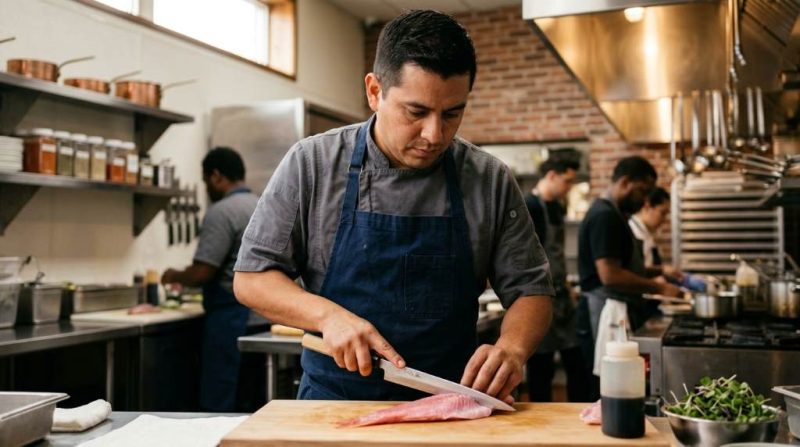
Houston has become one of the most exciting food cities in the United States because chefs constantly explore new ways to improve flavor, presentation, and dining experiences. According to the National Restaurant Association, global cuisine demand continues to grow as diners search for authentic cooking methods and healthier ingredients. At the same time, Japanese cuisine remains one of the top international food influences in American restaurants today. Many Houston chefs now study japanese culinary trends worldwide because these techniques focus on precision, balance, and ingredient quality. As a result, local restaurants combine Texas creativity with centuries-old Japanese traditions to create fresh and memorable meals.
Houston’s Diverse Food Scene Encourages Culinary Innovation
Houston supports one of the most culturally diverse populations in the country, so chefs often experiment with flavors from different regions of the world. This environment creates strong demand for unique dining experiences that stand apart from traditional restaurant menus. Japanese food techniques fit perfectly into Houston’s evolving restaurant culture because they emphasize detail and craftsmanship. Moreover, local diners appreciate meals that look visually appealing while also delivering layered flavors. Many chefs therefore use Japanese preparation methods to elevate seafood, beef, vegetables, and even classic Southern dishes.
The city’s humid subtropical climate also influences the way chefs approach ingredients and cooking methods throughout the year. During hot months, many restaurants prefer lighter dishes that feel refreshing without sacrificing flavor or satisfaction. Japanese culinary traditions naturally support this approach because they often feature clean broths, fresh fish, pickled vegetables, and balanced seasoning. Consequently, Houston chefs adapt these ideas into menus that work well in warm weather conditions. Diners enjoy meals that feel lighter while still offering bold taste and artistic presentation.
Precision and Discipline Shape Better Cooking Standards
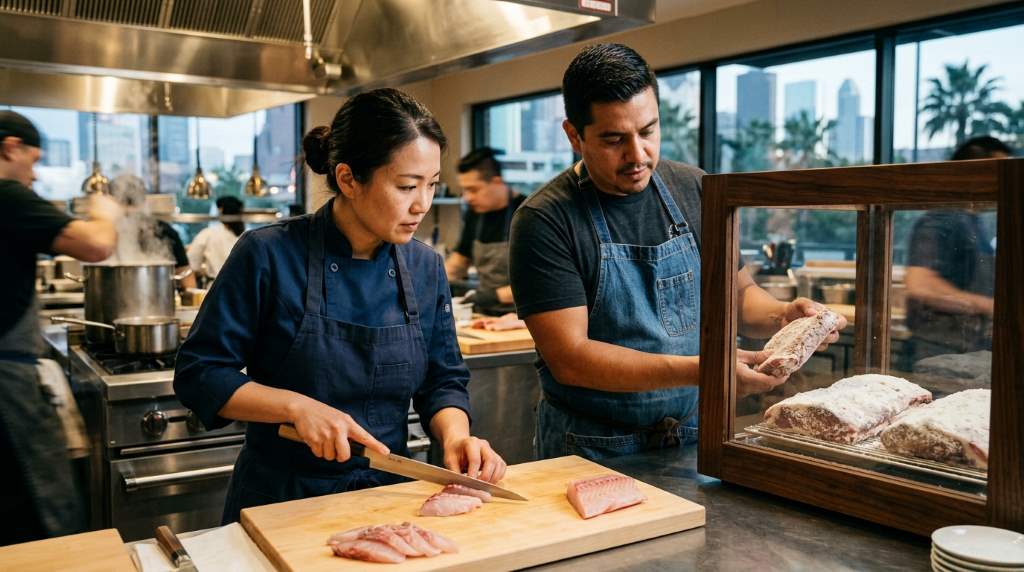
Traditional Japanese cooking places heavy emphasis on discipline, consistency, and attention to detail in every stage of preparation. Houston chefs admire this mindset because it improves kitchen organization and overall food quality. Instead of rushing through preparation, many restaurants now focus on mastering knife skills, ingredient handling, and timing. These practices help kitchens reduce waste while creating cleaner and more refined dishes. As a result, restaurants improve efficiency while also increasing customer satisfaction.
Knife work remains one of the most respected aspects of Japanese culinary training because it directly affects texture, appearance, and cooking performance. Houston chefs study these techniques to improve precision when preparing fish, vegetables, and proteins. Thin and uniform cuts allow ingredients to cook evenly and maintain consistent flavor throughout each dish. Additionally, carefully prepared ingredients create a more elegant presentation that appeals to modern diners. Many upscale Houston restaurants now train kitchen staff using Japanese-inspired cutting methods for this reason.
Fresh Ingredients Play a Central Role
Japanese cuisine traditionally focuses on seasonal and high-quality ingredients instead of relying heavily on sauces or excessive seasoning. Houston chefs appreciate this philosophy because Texas offers access to excellent seafood, produce, and locally raised meats throughout the year. Farmers markets and Gulf Coast suppliers provide fresh ingredients that support this style of cooking very well. Therefore, chefs can create dishes that highlight natural flavors instead of masking them. Customers increasingly prefer this cleaner and more ingredient-focused dining experience.
Seafood preparation especially reflects Japanese influence across Houston’s restaurant scene because freshness remains critical in both culinary cultures. Many chefs now source fish daily to maintain higher standards for texture and taste. Furthermore, restaurants frequently use minimal seasoning to allow premium seafood quality to stand out naturally. Gulf shrimp, tuna, snapper, and oysters work particularly well with Japanese-inspired cooking techniques. This combination creates dishes that feel both locally authentic and internationally refined.
Seasonal Menus Improve Customer Experience
Seasonal cooking allows restaurants to adapt menus according to ingredient quality, climate conditions, and customer preferences throughout the year. Houston chefs increasingly follow Japanese seasonal dining traditions because they encourage creativity and freshness. During summer, restaurants may feature chilled noodles, citrus flavors, or lighter seafood dishes to match the city’s heat and humidity. In colder months, chefs often introduce rich broths, grilled meats, and comforting rice dishes instead. Customers appreciate these seasonal changes because menus feel exciting and relevant year-round.
Restaurants that rotate seasonal offerings also strengthen relationships with local suppliers and farmers. Fresh produce usually tastes better and costs less when sourced during peak growing periods. Moreover, seasonal ingredients often require fewer preservatives and less transportation time before reaching kitchens. Japanese culinary philosophy supports this sustainable approach because it respects ingredient freshness and environmental balance. Houston chefs therefore use these traditions to improve both food quality and sustainability efforts.
Japanese Fermentation Techniques Influence Houston Kitchens
Fermentation has become increasingly popular among Houston chefs because it adds complexity, depth, and natural umami flavor to many dishes. Traditional Japanese ingredients like miso, soy sauce, rice vinegar, and pickled vegetables inspire restaurants to experiment with fermentation methods. These techniques help chefs create stronger flavors without relying on excessive fat or artificial additives. Consequently, dishes feel richer while still maintaining a balanced taste profile. Diners often perceive these meals as healthier and more sophisticated.
Houston’s warm climate also creates favorable conditions for certain fermentation processes when handled carefully in professional kitchens. Chefs can produce pickled vegetables, fermented sauces, and cultured ingredients efficiently with proper temperature control. Additionally, fermentation helps preserve ingredients during hotter months when food spoilage becomes a larger concern. Many restaurants now develop house-made condiments and marinades inspired by Japanese methods. This practice adds originality and signature flavors to restaurant menus.
Popular Fermented Ingredients Houston Chefs Use
Many restaurants now incorporate Japanese fermented ingredients into everyday dishes because they improve flavor naturally and enhance texture. These ingredients work especially well in fusion cuisine that combines Texas and Asian influences.
- Miso for marinades, soups, and salad dressings
- Soy sauce for balanced umami seasoning
- Rice vinegar for pickling vegetables
- Fermented chili pastes for sauces and glazes
- Pickled ginger for freshness and acidity
These ingredients help chefs create bold flavors while maintaining balance across different dishes. Customers often enjoy these combinations because they feel unique yet approachable.
Japanese Grilling Techniques Fit Texas Food Culture
Texas already has a strong grilling tradition, so Japanese grilling methods naturally appeal to Houston chefs and diners alike. Techniques like yakitori and robata grilling focus on controlled heat, simple seasoning, and careful ingredient placement. Houston chefs adapt these methods to local meats, seafood, and vegetables with impressive results. Instead of overwhelming ingredients with heavy sauces, chefs use fire and smoke to enhance natural flavor. This approach creates meals that feel refined while still satisfying Texas barbecue lovers.
Japanese grilling methods also support smaller portion sizes and shareable dining experiences that many modern customers prefer today. Restaurants frequently serve skewered meats, grilled seafood, and charred vegetables as appetizers or small plates. Furthermore, these dishes encourage social dining and allow guests to sample multiple flavors during one meal. Houston’s restaurant scene thrives on this type of interactive dining atmosphere. Therefore, Japanese grilling techniques continue gaining popularity across many restaurant styles.
Presentation and Visual Appeal Matter More Than Ever
Traditional Japanese cuisine treats food presentation as an essential part of the dining experience rather than a simple finishing step. Houston chefs embrace this philosophy because social media now strongly influences restaurant marketing and customer expectations. Carefully arranged dishes attract attention online and encourage customers to share their experiences publicly. Consequently, restaurants benefit from free exposure through photos and videos posted by diners. Strong visual presentation therefore supports both branding and customer engagement.
Japanese-inspired plating also encourages chefs to think carefully about color, texture, and portion balance on every plate. Restaurants often use minimalist presentation styles that highlight ingredient quality and artistic detail. This approach feels modern, elegant, and highly appealing to many Houston diners. Additionally, beautiful plating creates a stronger emotional connection between guests and their meals. Customers often remember visually striking dishes long after finishing their dining experience.
Key Elements of Japanese-Inspired Food Presentation
Many Houston chefs use several core presentation principles borrowed from traditional Japanese dining culture. These methods improve both appearance and customer satisfaction.
- Balanced color combinations on each plate
- Clean and uncluttered plating styles
- Seasonal garnishes and decorative elements
- Natural serving materials like wood or stone
- Careful portion control for visual harmony
These details create a more memorable dining experience while strengthening restaurant identity and professionalism.
Houston Chefs Blend Japanese and Texas Traditions
Fusion cuisine has become highly successful in Houston because the city encourages experimentation and cultural collaboration. Many chefs combine Japanese methods with Texas ingredients to create dishes that feel innovative without losing regional identity. For example, smoked brisket sushi rolls and miso-glazed Gulf seafood appear on menus across the city. These combinations attract customers who enjoy familiar ingredients presented in exciting new ways. As a result, restaurants stand out in Houston’s highly competitive food industry.
Japanese culinary techniques also improve classic Texas comfort foods by adding balance and precision. Chefs often use dashi broth in soups, incorporate pickled vegetables into barbecue dishes, or apply Japanese knife skills to steak preparation. These adjustments create deeper flavors and more refined textures without removing the heart of Texas cuisine. Furthermore, diners appreciate fusion dishes that respect both culinary traditions equally. This balanced approach keeps menus creative while maintaining authenticity.
Related:
Why Does Pasta Stick Together After Draining? A Culinary Tale
Cream’s Culinary Crossover: Elevating Your Latte Experience
Training and Culinary Education Drive Continued Growth
Houston chefs increasingly attend workshops, culinary programs, and international training sessions focused on Japanese cooking methods. Many professionals recognize that mastering these techniques improves long-term career opportunities and restaurant performance. Culinary schools now include more instruction related to Japanese knife skills, fermentation, seafood handling, and plating design. Therefore, younger chefs enter the industry with stronger technical foundations than previous generations. This educational growth continues shaping Houston’s evolving restaurant landscape.
Restaurant owners also invest more heavily in staff development because skilled preparation directly affects customer satisfaction and online reviews. Kitchens that follow disciplined systems usually operate more efficiently and maintain higher consistency during busy service periods. Japanese culinary training strongly supports these operational goals because it values repetition, organization, and craftsmanship. Consequently, Houston restaurants gain both creative and financial benefits from adopting these practices. This trend will likely continue as customer expectations keep rising.
Why Diners Continue Supporting Japanese-Inspired Cooking
Modern diners increasingly value authenticity, freshness, and thoughtful preparation when choosing restaurants in Houston. Japanese culinary traditions naturally align with these preferences because they emphasize ingredient quality and technical precision. Customers also appreciate meals that feel healthier without sacrificing flavor or satisfaction. Therefore, restaurants using Japanese-inspired methods often attract loyal and repeat customers. Strong demand encourages more chefs to continue exploring these cooking styles.
Social media and food tourism also influence consumer interest in Japanese-inspired dining experiences throughout Houston. Travelers frequently search for restaurants offering creative fusion cuisine and visually striking dishes. At the same time, local diners enjoy exploring restaurants that combine international techniques with Texas ingredients. This ongoing curiosity helps restaurants remain competitive while encouraging culinary innovation across the city. Japanese food traditions therefore continue shaping Houston’s restaurant future in meaningful ways.
Conclusion
Houston chefs continue embracing traditional Japanese food techniques because these methods improve flavor, presentation, efficiency, and customer satisfaction. From precise knife skills to seasonal cooking and fermentation, Japanese culinary traditions offer practical solutions that fit Houston’s diverse food culture perfectly. Moreover, these techniques help restaurants create memorable dining experiences while supporting healthier and more sustainable cooking practices. As Houston’s restaurant scene continues evolving, Japanese culinary influence will likely become even more important in shaping local menus and kitchen standards. If you want to experience this growing trend yourself, explore Houston restaurants that combine Texas creativity with authentic Japanese-inspired cooking techniques today.
FAQs
Why do Houston chefs use Japanese cooking techniques?
Houston chefs use Japanese techniques because they improve precision, flavor balance, and ingredient quality in modern restaurant kitchens.
What Japanese techniques are most popular in Houston restaurants?
Knife skills, fermentation, seasonal cooking, and robata grilling remain some of the most popular Japanese culinary methods in Houston.
Does Houston’s climate affect Japanese-inspired cooking?
Yes, Houston’s warm climate encourages lighter dishes, fresh seafood, and seasonal menus that align well with Japanese cooking traditions.
Are Japanese-inspired dishes healthier?
Many Japanese-inspired dishes use fresh ingredients, balanced seasoning, and lighter preparation methods that support healthier dining choices.
What makes Japanese food presentation unique?
Japanese food presentation focuses on simplicity, balance, color harmony, and visual detail to improve the overall dining experience.
