
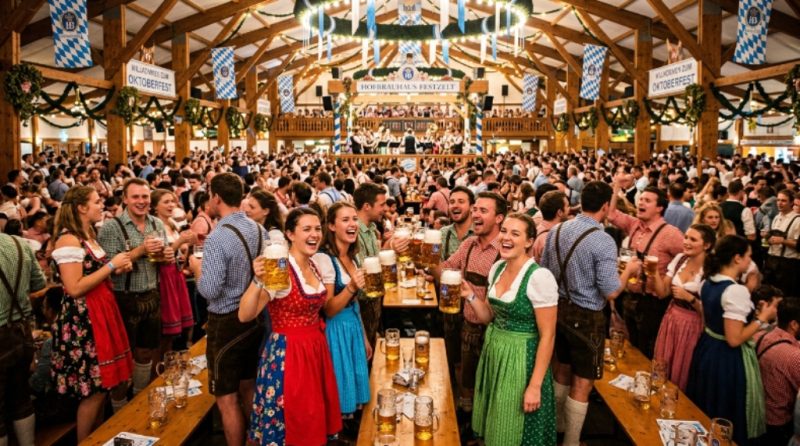
Planning a trip to Oktoberfest Munich 2026? You are in for a wild, unforgettable ride. Every September, millions of visitors pour into Munich for the world’s most famous beer festival. However, most first-timers show up without a clue about what really goes on inside those giant tents — and outside them, too.
This guide covers 15 things that seasoned Oktoberfest visitors know well but rarely share. Read on before you book your flights.
-
The Festival Does Not Actually Start in October
Here is a fact that surprises almost everyone. Oktoberfest 2026 starts in late September, not October. The opening day is Saturday, September 19, 2026, and the festival runs through Sunday, October 4, 2026. The name is a little misleading, but the tradition dates back to 1810 when the original celebration ended before October. Therefore, if you are planning to arrive in early October thinking you have plenty of time, double-check your dates now.
-
Getting a Tent Seat Without a Reservation Is Very Hard
The big beer tents fill up fast — sometimes by midday on weekends. However, most people do not know that roughly 70% of seats inside the main tents are pre-reserved, often months in advance. If you want a guaranteed spot, you need to contact tent operators directly and book early. Additionally, reservations usually require a food and drink minimum, so budget for that upfront.
-
The Beer Is Stronger Than You Think
Oktoberfest-style beer is not your average lager. The festival brews a special Märzen or Festbier style with an alcohol content of around 6% by volume. A standard serving, called a Mass, holds one full litre. Therefore, two Masses puts most people at their limit. Pace yourself, eat something hearty before you drink, and drink water between rounds.
-
Dirndls and Lederhosen Are Not Just Costumes
You might think the traditional outfits are just for tourists, but locals genuinely wear them with pride. In fact, showing up in traditional Bavarian dress earns you more respect and often better service inside the tents. Moreover, a quality dirndl or lederhosen set is a worthwhile investment. Avoid cheap plastic versions — they look out of place and fall apart quickly.
-
The Bow on a Dirndl Tells a Story
This is one of the most well-kept secrets at the festival. The placement of the bow on a dirndl apron signals relationship status. A bow on the left means the wearer is single. A bow on the right means she is taken. A bow at the back can mean widowed. Therefore, pay attention if you are looking to make new friends — or avoid misunderstandings.
-
You Can Get In for Free
Entry to the festival grounds is completely free. There is no gate ticket. However, the beer, food, and rides cost money, and they add up fast. Additionally, souvenir vendors, carnival games, and photo booths line the streets. Set a daily budget before you go, and stick to it.
-
The Food Is Just as Important as the Beer
People focus so much on the beer that they forget Oktoberfest is also a food festival. Half a roast chicken, called Hendl, is a must-try. So are pretzels, Schweinshaxe (roasted pork knuckle), and Käsespätzle (cheesy egg noodles). Eating properly keeps you grounded throughout the day. Additionally, having a full stomach before your first Mass makes a big difference.
-
Weekday Visits Are Much More Enjoyable
Weekends at the festival are absolutely packed. Long queues, loud crowds, and fully booked tents become the norm. However, visiting on a Tuesday or Wednesday transforms the experience. The atmosphere is still festive, the tents are easier to enter, and the staff are far less rushed. Therefore, if your schedule allows it, plan for a midweek visit.
-
The Lost-and-Found Department Is Enormous
This might be the most surprising fact of all. The Oktoberfest lost-and-found recovers thousands of items every year. These include phones, wallets, glasses, bags, and even full sets of clothing. Therefore, keep your valuables in a secure inside pocket or a small crossbody bag. If you do lose something, head to the lost-and-found booth near the main entrance before you panic.
-
You Should Book Accommodation Six Months Early
Munich hotels and guesthouses near the festival fill up incredibly fast. Additionally, prices during the festival period can be three to five times higher than normal. If you want a central location without spending a fortune, start searching in March or April. Alternatively, consider staying in a nearby town like Augsburg or Dachau and taking the train in each day.
-
The S-Bahn Is Your Best Friend
Driving to the festival grounds is a terrible idea. Parking is almost nonexistent, and drink-driving laws in Germany are strict. However, Munich’s S-Bahn suburban train system runs reliably and frequently. The closest stop is Hackerbrücke, just a short walk from the main entrance. Additionally, the Munich transport network runs extended hours during the festival period, so you can stay late without worrying about getting home.
-
Security Checks Are Thorough
Since 2016, security at the festival grounds has been significantly tightened. Guards check bags at every entrance. Glass bottles, large backpacks, and umbrellas with pointed tips are not allowed inside. Therefore, pack light. A small bag with your essentials is all you need. Additionally, expect short queues at the entrance gates during peak hours, so factor in a few extra minutes.
-
There Is More to See Than Just the Beer Tents
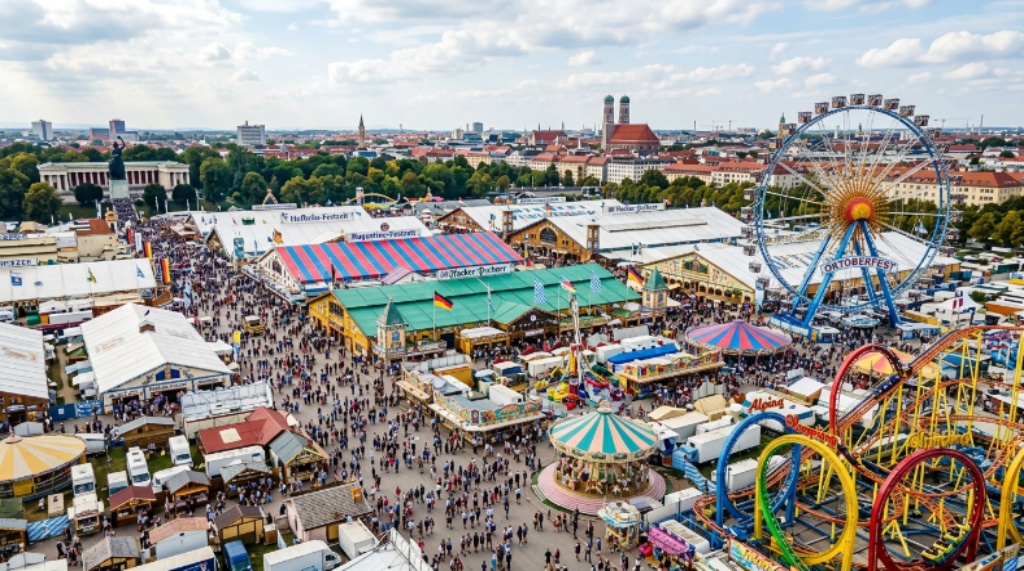
The Theresienwiese, the festival grounds, covers a massive area. Beyond the beer tents, you will find a full fairground with roller coasters, ghost trains, and classic carnival rides. There are also historical museum tents, a flea circus, and the famous Bavaria statue nearby. Therefore, even if you are not a big drinker, there is plenty to keep you entertained for a whole day.
-
Cash Is Still King
Germany, and Munich in particular, still relies heavily on cash. While some tents now accept cards, many food stalls and smaller vendors do not. Therefore, withdraw enough euros before you arrive at the festival. ATMs near the grounds have very long queues and charge high fees. Additionally, having exact change speeds things up during busy service hours.
-
The Closing Weekend Is as Wild as the Opening
Most visitors plan their trip around the opening weekend, and that is understandable. However, the final weekend of the festival carries its own special energy. Locals and long-term visitors flock back for one last celebration. The tents often feel warmer, more communal, and less tourist-heavy by the final days. Therefore, if you can only visit once, the closing weekend is worth serious consideration.
Conclusion
Oktoberfest Munich 2026 is one of those experiences that rewards preparation. Knowing the small details — from bow placement to weekday crowds — makes a real difference to how much you enjoy yourself. Book your accommodation early, dress the part, eat well, pace your drinking, and explore beyond the tents. Additionally, bring cash, travel by train, and take advantage of quieter weekdays when possible. With these 15 insider tips in your pocket, you are far better prepared than most visitors who walk through those gates every year.
Frequently Asked Questions
When does Oktoberfest Munich 2026 start and end?
Oktoberfest 2026 runs from Saturday, September 19, 2026, to Sunday, October 4, 2026, on the Theresienwiese in Munich, Germany.
Do I need to buy tickets to enter the Oktoberfest grounds?
No. Entry to the festival grounds is free of charge. However, you will pay for beer, food, rides, and any reserved seating inside the tents.
How do I reserve a seat inside a beer tent?
You need to contact individual tent operators directly through their official websites. Reservations usually open several months before the festival and sell out quickly.
What should I wear to Oktoberfest?
Traditional Bavarian attire — a dirndl for women and lederhosen for men — is strongly recommended. It is widely worn by locals and adds to the overall experience.
Is it safe to visit Oktoberfest alone?
Yes. The festival has strong security and a generally friendly atmosphere. However, stay aware of your surroundings, keep valuables secure, and make sure someone knows your plans for the day.
