

Imagine stepping out into the blazing sun of a desert afternoon. Your stomach growls for lunch, but one wrong choice could turn a simple meal into a health hazard. People often overlook how extreme heat affects their eating habits. In hot desert climates, temperatures soar above 100°F, making lunchtime risky. Dehydration and food spoilage become real threats. According to the Centers for Disease Control and Prevention, extreme heat causes over 1,300 deaths annually in the United States. Globally, the World Health Organization reports around 489,000 heat-related deaths each year. These numbers highlight the need for smart choices. This article explores common mistakes during desert lunches. You will learn practical tips to stay safe and energized.
Understanding the Desert Heat Challenge
Desert climates present unique obstacles for midday meals. Dry air sucks moisture from your body quickly. Meanwhile, intense sunlight raises core temperatures. As a result, your digestive system works harder. Blood flow shifts to the skin for cooling. Consequently, less energy goes to breaking down food. People frequently ignore these changes. They stick to usual routines. However, this leads to discomfort or worse. Heat exhaustion creeps in without warning. Simple adjustments make a big difference. First, recognize the environment’s impact. Then, adapt your habits accordingly.
High humidity might not plague deserts, but low moisture levels do. Sweat evaporates fast, masking dehydration signs. During lunch, you might feel fine at first. Yet, symptoms build over time. Headaches strike suddenly. Dizziness follows. Fatigue sets in. Research shows heat-related illnesses spike in arid zones. For instance, Arizona sees a tenfold increase in heat deaths over two decades. Travelers and workers face higher risks. Locals adapt better, but everyone needs caution. Plan lunches with the climate in mind. Choose times when shade is available. Avoid peak sun hours if possible.
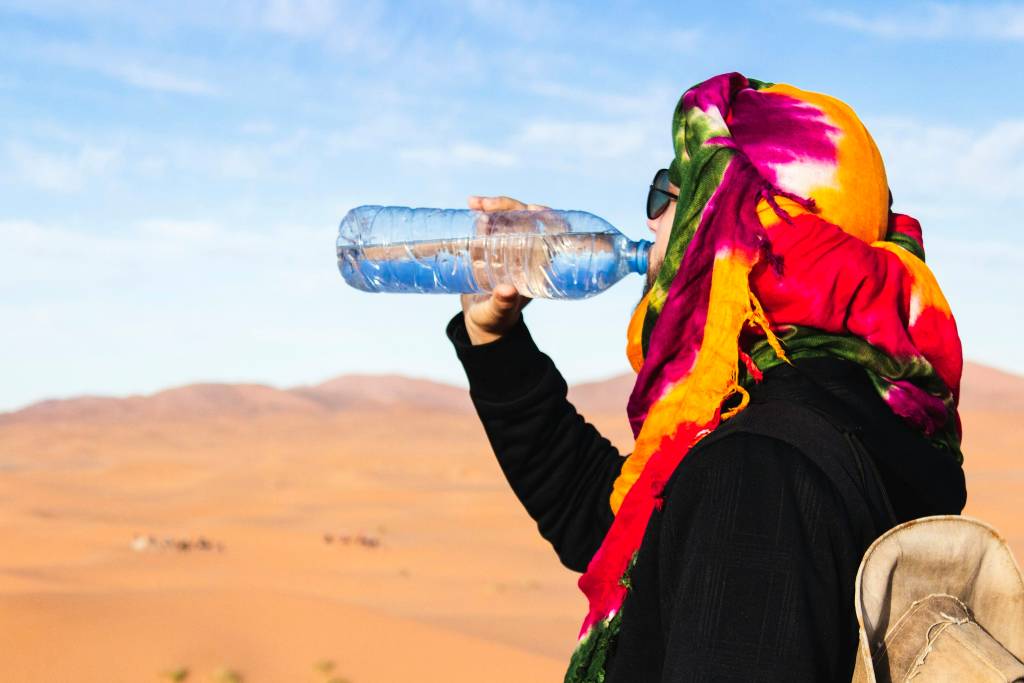
Mistake 1: Skipping Hydration Before and During Meals
Many people forget to drink enough water around lunchtime. They focus on food instead. But in desert heat, this proves dangerous. Your body loses fluids rapidly through sweat. Without replacement, dehydration hits hard. Symptoms include dry mouth and rapid heartbeat. Severe cases lead to heatstroke. Studies from Johns Hopkins Medicine warn that dehydration worsens with fever or activity. During meals, sipping water helps digestion. It also prevents cramps. Aim for at least 8 ounces before eating. Continue hydrating throughout.
Electrolytes play a key role too. Plain water sometimes falls short. Sweat depletes sodium and potassium. As a consequence, muscles weaken. Energy drops. Add electrolyte packets to your drink. Or choose natural sources like coconut water. Avoid sugary beverages though. They dehydrate further. Transition smoothly by setting reminders. Use apps or watches. Gradually, hydration becomes a habit. Workers in deserts report better focus with consistent intake. Travelers stay alert longer. Overall, this simple step boosts well-being.
Mistake 2: Choosing Heavy or Greasy Foods
Heavy meals burden your system in scorching heat. Fried items or rich meats demand extra effort to digest. Your body temperature rises as a result. This compounds the external heat. Experts from Time Magazine advise against greasy foods during heat waves. They slow you down. Instead, opt for light options. Salads refresh and energize. Fruits provide quick nutrients. Vegetables offer fiber without heaviness. These choices keep you cool inside.
Protein sources matter greatly. Red meat takes longer to process. Poultry or fish digests easier. Plant-based proteins like beans work well too. Combine them with grains for balance. Quinoa salads fit perfectly. Add herbs for flavor. Avoid overeating as well. Smaller portions prevent sluggishness. Listen to your body signals. Hunger varies in heat. Sometimes, appetite decreases naturally. Respect that change. Gradually, lighter lunches become your norm. You feel more active afterward.
Mistake 3: Ignoring Food Safety Rules
Heat accelerates bacterial growth in foods. Perishables spoil quickly in deserts. The FDA notes the “danger zone” between 40°F and 140°F. Bacteria double every 20 minutes there. At lunch, unpacked items enter this range fast. Sandwiches with mayo turn risky. Dairy products sour. Always pack coolers with ice. Check temperatures regularly. Discard anything left out over an hour above 90°F. This prevents foodborne illnesses. Nausea and vomiting ruin your day.
Cross-contamination sneaks in easily. Raw meats touch veggies. Utensils mix germs. Wash hands thoroughly before handling. Use separate cutting boards. Rinse produce under running water. These steps block pathogens. In group settings, label items clearly. Share safely. Transition to better practices by preparing ahead. Pre-chill foods. Use insulated bags. Over time, these habits save health troubles. Families enjoy picnics without worry. Solo eaters stay protected.
Mistake 4: Overdoing Caffeine or Sugary Drinks
Caffeine boosts alertness, but it dehydrates in heat. Coffee or energy drinks act as diuretics. They increase urine output. Consequently, fluid loss escalates. The Washington Post highlights this mistake during hot spells. Limit intake to mornings. Switch to herbal teas for lunch. They hydrate without side effects. Water remains the best choice. Infuse it with fruits for taste.
Sugary sodas tempt in thirst. Yet, they spike blood sugar. Crashes follow. Dehydration worsens. Opt for low-sugar alternatives. Lemon water refreshes naturally. It adds vitamin C too. Smoothies with yogurt provide protein. Blend berries for antioxidants. These options sustain energy. Avoid alcohol entirely at lunch. It impairs judgment in heat. Gradually replace habits. Your body adapts quickly. Clarity improves. Stamina lasts longer.
Mistake 5: Eating Too Quickly or in Direct Sun
Rushing through lunch harms digestion. Heat already stresses your system. Fast eating adds air intake. Bloating results. Chew slowly instead. Savor flavors. This aids nutrient absorption. Mindfulness enhances enjoyment. Set aside 20 minutes minimum. Find shade or indoors. Direct sun raises body heat further. Umbrellas or trees offer relief. These spots cool you down.
Timing influences comfort. Early or late lunches dodge peak heat. Noon sun intensifies risks. Plan around weather forecasts. Apps predict temperatures accurately. Adjust schedules accordingly. Groups coordinate better this way. Individuals gain flexibility. Over time, mindful eating reduces stress. Meals become rejuvenating breaks. Productivity rises post-lunch.
Mistake 6: Neglecting Electrolyte Balance
Deserts strip essential minerals fast. Sodium loss causes cramps. Potassium depletion fatigues muscles. Many ignore this during meals. Include salty snacks wisely. Nuts restore balance. Bananas supply potassium. These foods prevent imbalances. Sports drinks help in moderation. But natural sources excel. Tomatoes and avocados fit lunches nicely.
Monitor signs closely. Headaches signal issues. Dizziness warns too. Respond promptly with rehydration. Mix salt in water if needed. This quick fix works wonders. Transition to preventive measures. Daily supplements assist. Consult doctors first. Gradually, your body handles heat better. Adventures continue smoothly.
Mistake 7: Forgetting Portion Control and Variety
Overloading plates overwhelms in heat. Large portions tax digestion. Smaller meals suit better. They maintain steady energy. Include variety for nutrients. Proteins, carbs, fats balance well. Veggies add vitamins. Fruits hydrate. This mix sustains you. Avoid monotony. Rotate options weekly. Creativity keeps interest high.
Listen to hunger cues. Heat suppresses appetite sometimes. Force-feeding backfires. Eat what feels right. Adjust based on activity. Active days need more fuel. Restful ones less. These tweaks optimize health. Over time, intuitive eating develops. Satisfaction grows.
Advanced Tips for Desert Lunch Success
Preparation sets you up for victory. Meal prep light dishes ahead. Chill them overnight. Portable coolers preserve freshness. Include hydrating elements always. Cucumbers and melons excel. They cool from within. Spices like mint refresh too. Experiment safely.
Listen to local wisdom. Desert dwellers share proven strategies. They favor certain foods. Adapt their advice. Community insights enrich your approach. Books and studies back them. For example, military nutrition guidelines emphasize hydration in hot environments.
Track personal responses. Journals note what works. Adjust accordingly. Apps monitor intake. Data informs choices. Consistency builds resilience. Heat becomes manageable.
Health Impacts of These Mistakes
Ignoring warnings leads to serious issues. Dehydration escalates to heat exhaustion. Symptoms include heavy sweating and weakness. Untreated, heatstroke follows. Body temperatures soar above 103°F. Confusion sets in. Emergency care becomes necessary. Prevention saves lives.
Food poisoning strikes hard in heat. Bacteria like Salmonella thrive. Vomiting and diarrhea dehydrate further. Hospital visits disrupt plans. Chronic effects linger. Immune systems weaken over time.
Energy dips affect performance. Workers lose focus. Travelers miss sights. Simple fixes avoid this. Knowledge empowers better decisions.
Cultural Perspectives on Desert Dining
Different cultures handle heat uniquely. Middle Eastern traditions favor yogurt drinks. They cool and nourish. Indian cuisines use cooling spices. Cumin and coriander help. African diets include hydrating porridges. Learn from these. Incorporate elements.
Modern twists blend traditions. Fusion salads combine global flavors. They suit desert lunches. Experimentation adds fun. Sharing stories connects people.
Seasonal Adjustments in Deserts
Deserts vary by season. Summers demand extra caution. Winters ease up slightly. Yet, dry air persists. Adjust lunches accordingly. Heavier foods fit cooler months. Light ones dominate heat.
Forecasts guide planning. Sudden changes happen. Flexibility matters. Stock versatile items. These adapt to conditions.
Related:
Lactose-Free Desserts That Taste Creamy: Your Guide to Indulgent, Dairy-Free Delights
How to Melt Sugar: Sweet Secrets Unveiled
Teaching Kids About Safe Lunches
Children face higher risks in heat. Their bodies overheat faster. Teach them early. Make games of hydration. Fun bottles encourage drinking. Pack kid-friendly foods. Cut fruits attractively. Explain mistakes simply. They learn quickly.
Family routines reinforce lessons. Model good habits. Discussions build awareness. Schools incorporate tips too. Communities benefit overall.
Professional Advice for Workers
Outdoor workers need targeted strategies. Construction sites amplify heat. Schedule lunches in cooled areas. Employers provide water stations. Unions advocate safety.
Nutritionists recommend specific plans. Tailored to jobs. Energy bars supplement meals. These sustain through shifts.
Traveler’s Guide to Desert Lunches
Tourists often err in new climates. Research destinations first. Local eateries offer safe options. Avoid street foods without checks. Pack backups always.
Apps locate shaded spots. Reviews guide choices. Experiences improve with preparation.
Integrating Exercise with Meals
Active lifestyles demand coordination. Pre-lunch workouts dehydrate. Replenish afterward. Light meals aid recovery. Proteins repair muscles. Carbs restore energy.
Timing optimizes benefits. Eat within hours post-exercise. This maximizes gains.
Myth Busting Common Beliefs
Many think ice cream cools best. But it melts fast, adding sugar. Water works better. Another myth: Spicy foods worsen heat. Actually, they induce sweating, cooling you.
Facts clarify choices. Science debunks old ideas. Updated knowledge guides.
Future Trends in Heat Nutrition
Research evolves rapidly. New supplements emerge. Climate change intensifies needs. Innovations like cooling vests help. Apps predict personal risks.
Stay informed. Adapt to changes. Health improves continually.
Conclusion
Hot desert lunches hide pitfalls, but awareness turns them into opportunities. Avoid heavy foods, prioritize hydration, and mind safety. These steps prevent dehydration and illness. Choose light, varied meals. Time them wisely. Your body thanks you with sustained energy. Now, apply these tips today. Pack a smart lunch for your next desert outing. Stay safe and enjoy.
FAQs
What foods should I avoid for lunch in hot desert climates?
Steer clear of heavy, greasy items like fried meats. They raise body temperature. Caffeine and sugary drinks dehydrate too. Opt for light salads instead.
How much water do I need during desert lunches?
Drink at least 8-16 ounces before and during meals. More if active. Include electrolytes to replace lost minerals.
Why does heat make food spoil faster?
Temperatures above 90°F speed bacterial growth. The danger zone is 40-140°F. Discard perishables after one hour out.
Can I eat spicy foods in the desert heat?
Yes, in moderation. Spices induce sweating, which cools you. But overdo it, and digestion suffers.
What are signs of dehydration during meals?
Watch for dry mouth, headaches, and dizziness. Fatigue follows. Hydrate immediately to reverse them.
References
- https://www.fda.gov/food/buy-store-serve-safe-food/handling-food-safely-while-eating-outdoors
- https://www.cdc.gov/niosh/mining/UserFiles/works/products/training/keepingcool/2017-126_hydration.pdf
- https://www.who.int/news-room/fact-sheets/detail/climate-change-heat-and-health
- https://www.mayoclinic.org/diseases-conditions/dehydration/symptoms-causes/syc-20354086
