
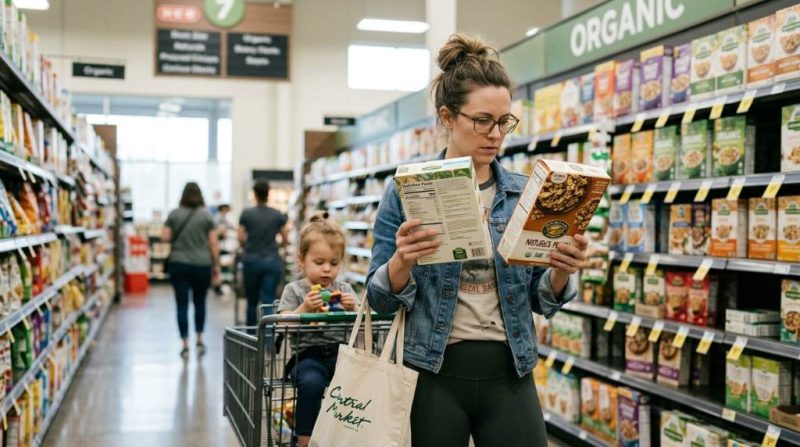
Parents across Austin are paying closer attention to food packaging than ever before. Recent consumer surveys show that more than 70% of American shoppers now check ingredient lists before buying packaged foods, while concerns about food transparency continue to rise. As a result, many families spend extra time comparing products and researching unfamiliar ingredients. Discussions about food sourcing, additives, and nutrition have become common at school events and community gatherings. Even topics such as bioengineered ingredients in yogurt now attract significant attention from health-conscious parents.
Austin families face unique challenges that influence their food choices. The city’s rapid growth has introduced a wider range of food products from around the country and beyond. Meanwhile, parents want to ensure that convenient options still align with their family’s health goals. Consequently, food labels have become valuable tools for making informed decisions. Understanding why this trend continues to grow can help families shop smarter in 2026.
The Growing Demand for Food Transparency
Many Austin parents no longer accept vague marketing claims at face value. Instead, they carefully review ingredient lists, nutrition panels, and sourcing details before making purchases. This shift reflects a broader movement toward transparency in the food industry. Consumers increasingly expect brands to provide clear and accurate information.
Parents often encounter products marketed as natural, wholesome, or family-friendly. However, these descriptions do not always reveal the full nutritional picture. Therefore, many shoppers now focus on the actual ingredients rather than promotional language. This habit helps families avoid confusion and make more informed choices.
Social media has also contributed to greater awareness. Parents regularly share food recommendations, product reviews, and ingredient research within local community groups. As information spreads quickly, shoppers become more knowledgeable about what appears on food labels. Consequently, brands face greater pressure to maintain transparency.
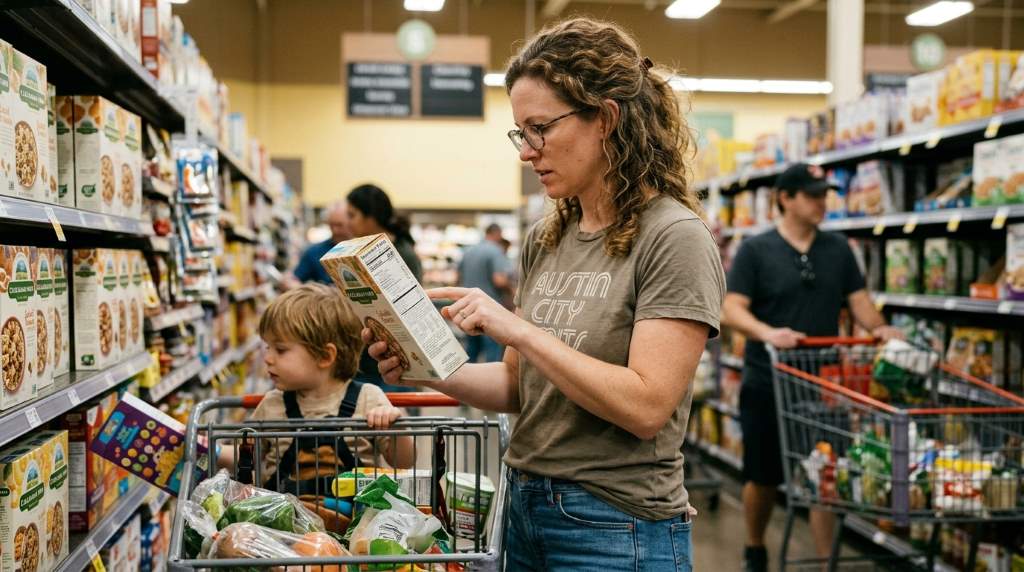
How Austin’s Climate Influences Food Choices
Austin experiences long periods of hot weather, especially during spring and summer. Because of this climate, families often prioritize hydration, fresh produce, and nutrient-rich snacks. Parents frequently examine labels to identify products with excessive sugar or artificial ingredients. This approach helps support healthier eating habits during hotter months.
Heat can also affect food storage and freshness. Therefore, many parents look for packaging information related to shelf life and preservation methods. Understanding these details helps families safely store food after grocery trips. It also reduces the likelihood of food waste.
Outdoor activities remain popular throughout Austin. Children regularly participate in sports, camps, and recreational events. As a result, parents often seek foods that provide lasting energy without unnecessary additives. Reading labels helps them compare products more effectively.
Concerns About Added Sugars and Artificial Ingredients
One of the biggest reasons parents read food labels involves sugar content. Many products marketed toward children contain more sugar than families realize. Consequently, parents carefully review nutrition panels before adding items to their shopping carts. Small changes can significantly improve daily nutrition.
Artificial colors and preservatives also attract attention. Some parents prefer foods with shorter ingredient lists and recognizable components. While regulations help ensure safety, many families still favor simpler formulations. Therefore, label reading has become a routine part of grocery shopping.
Snack foods often receive the closest scrutiny. Parents compare serving sizes, calorie counts, and ingredient quality before making decisions. This careful approach allows families to balance convenience with nutritional value. Over time, these choices can contribute to healthier eating patterns.
The Rise of Ingredient Education Among Parents
Parents today have access to more educational resources than ever before. Online databases, nutrition apps, and healthcare websites make ingredient research easier. Consequently, families can quickly learn about unfamiliar additives or processing methods. This knowledge encourages more confident purchasing decisions.
Schools and community organizations also play important roles. Many educational programs now include discussions about nutrition and healthy eating. As children learn about food choices, parents often become more engaged as well. This creates a stronger culture of food awareness.
Healthcare providers frequently encourage label literacy during routine wellness visits. Pediatricians often discuss balanced nutrition and ingredient awareness with families. Therefore, parents receive practical guidance that supports healthier shopping habits. These conversations reinforce the importance of reading labels carefully.
A Unique Austin Trend: Environmental Food Label Awareness
One discussion gaining momentum in Austin involves environmental impact information on food packaging. Unlike many cities where nutrition dominates the conversation, Austin parents increasingly examine sustainability details. They want to understand how products affect both family health and the environment. This trend has become particularly noticeable in 2026.
Some parents look for information about packaging materials, sourcing practices, and transportation methods. Local farmers markets have encouraged these conversations for years. Consequently, shoppers often evaluate food products beyond basic nutritional content. Environmental awareness now influences many purchasing decisions.
This shift represents a unique layer of label reading behavior. Parents are not only evaluating ingredients but also considering the broader story behind a product. As a result, companies that provide detailed sourcing information often earn greater consumer trust. Transparency extends beyond nutrition alone.
Understanding Serving Sizes More Accurately
Many families discover that serving sizes can differ significantly from their expectations. A snack package may contain multiple servings even when it appears to be a single portion. Therefore, parents carefully review serving information before evaluating nutrition facts. This practice prevents misunderstandings about calories and nutrients.
Children’s snacks often illustrate this issue clearly. Products designed for convenience may contain more sugar or sodium than expected when consumed in full. Consequently, label reading helps parents make more accurate comparisons between brands. Better understanding leads to more informed decisions.
Nutrition experts frequently recommend reviewing serving size information first. This step provides important context for the rest of the label. Parents who follow this approach can assess products more effectively. It also supports healthier portion management at home.
Local Food Culture and Label Awareness
Austin’s vibrant food culture encourages curiosity about ingredients and preparation methods. Families regularly explore local restaurants, food trucks, and specialty markets. As a result, parents often become more interested in understanding what foods contain. Label reading naturally complements this curiosity.
Many families enjoy preparing meals together at home. While searching for new recipes, parents often compare packaged ingredients for quality and nutrition. Some even draw inspiration from dishes such as cheeseburger pasta soup while adapting ingredients to fit their nutritional goals. This habit encourages closer examination of food labels.
Community events frequently highlight local food producers and sustainable practices. Therefore, parents gain additional exposure to discussions about ingredients and sourcing. These experiences reinforce the value of informed food choices. Knowledge becomes part of everyday shopping behavior.
Food Labels and Children’s Dietary Needs
Many children have specific dietary requirements or sensitivities. Parents often review labels to identify allergens and avoid potential issues. Clear labeling helps families manage these concerns with greater confidence. It also reduces uncertainty when trying new products.
Protein, fiber, and vitamin content often receive special attention. Parents want foods that support growth and development while fitting into balanced diets. Consequently, nutrition panels serve as important decision-making tools. Small details can influence purchasing choices.
Birthday parties and social gatherings present additional challenges. Families frequently look for snacks that satisfy different dietary preferences without sacrificing enjoyment. Resources discussing making fun food ideas often encourage parents to evaluate ingredient quality more carefully. This awareness extends beyond everyday meals.
Practical Tips for Reading Food Labels
Parents can simplify grocery shopping by following a few practical strategies. Consistency helps make label reading faster and more effective over time. Even small improvements can lead to better purchasing decisions. Developing a routine makes the process easier.
- Check serving size before reviewing nutrition facts.
- Compare sugar content across similar products.
- Look for recognizable ingredients whenever possible.
- Review sodium levels in packaged foods.
- Watch for allergen information and warnings.
- Consider overall nutritional value rather than a single claim.
Keeping these habits in mind can reduce confusion in crowded grocery aisles. Parents become more efficient as they gain experience. Furthermore, children can participate in the process and learn valuable nutrition skills. This creates long-term benefits for the entire family.
The Role of Global Food Influences
Austin’s diverse population has expanded interest in international ingredients and cooking styles. Families often experiment with products inspired by different culinary traditions. Therefore, understanding labels becomes even more important when trying unfamiliar foods. Knowledge supports confident exploration.
Parents frequently seek products with authentic ingredients and minimal processing. While exploring global flavors, they still prioritize nutritional quality. Some families even investigate ways to recreate yukon territory food experiences while maintaining healthy ingredient standards. Label reading helps balance authenticity and nutrition.
This broader perspective reflects Austin’s evolving food landscape. Consumers want variety without sacrificing transparency. As a result, detailed product information continues to grow in importance. Brands that provide clarity often stand out.
What the Future Holds for Food Label Awareness
Food labeling will likely become even more detailed in the coming years. Advances in technology may provide consumers with instant access to sourcing and nutrition information. Consequently, parents will have more tools to evaluate products. Transparency will remain a key expectation.
Manufacturers already recognize the growing demand for clearer labeling. Many companies continue improving packaging design and ingredient disclosures. This trend benefits consumers by making information easier to understand. Better communication supports informed decision-making.
Austin parents will likely continue leading conversations about food awareness. Their focus on health, sustainability, and transparency reflects broader consumer priorities. As knowledge expands, label reading will remain an essential part of grocery shopping. Families increasingly view it as an investment in long-term well-being.
Conclusion
Parents in Austin, TX are reading food labels more carefully in 2026 because they want greater transparency, healthier choices, and better information about the products they bring home. Climate considerations, nutritional concerns, environmental awareness, and evolving food culture all contribute to this growing trend. By understanding ingredient lists, serving sizes, and sourcing details, families can make smarter decisions every day. Start reviewing labels more consistently during your next grocery trip and encourage your children to learn alongside you for healthier long-term habits.
FAQs
Why are Austin parents paying more attention to food labels?
They want clearer information about ingredients, nutrition, and product sourcing.
What part of a food label should parents read first?
Parents should start with the serving size because it affects all nutritional values listed.
Do food labels help manage children’s dietary restrictions?
Yes, labels provide important allergen and ingredient information.
How does Austin’s climate influence food purchases?
Hot weather encourages families to choose nutritious and hydrating food options.
Are environmental factors affecting food label reading habits?
Yes, many Austin parents now review sustainability and sourcing information alongside nutrition details.
