
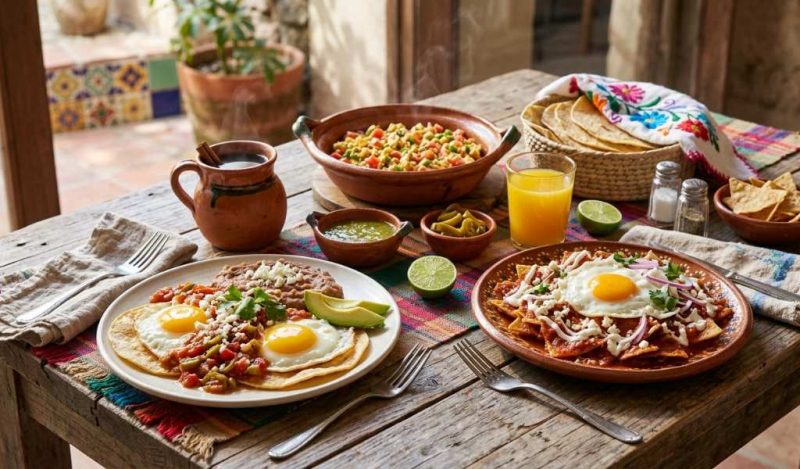
The most authentic mexican breakfast ideas with eggs center on huevos rancheros, chilaquiles, and breakfast burritos built with chorizo. Each dish layers bold spice, fresh salsa, and corn tortillas around a simple fried or scrambled egg. The result feels far more vibrant than a standard American style breakfast plate.
Mexican cooking treats eggs as a canvas for bold, layered flavor rather than a quiet side dish. Salsa, chili, and fresh lime all play a role that rarely shows up in typical egg recipes elsewhere. This guide walks through three classic dishes, the pantry staples behind them, and the toppings that finish each plate, giving your rotation of breakfast ideas with eggs a genuinely different direction.
Highlighting the Bold Flavors of Mexican Mornings
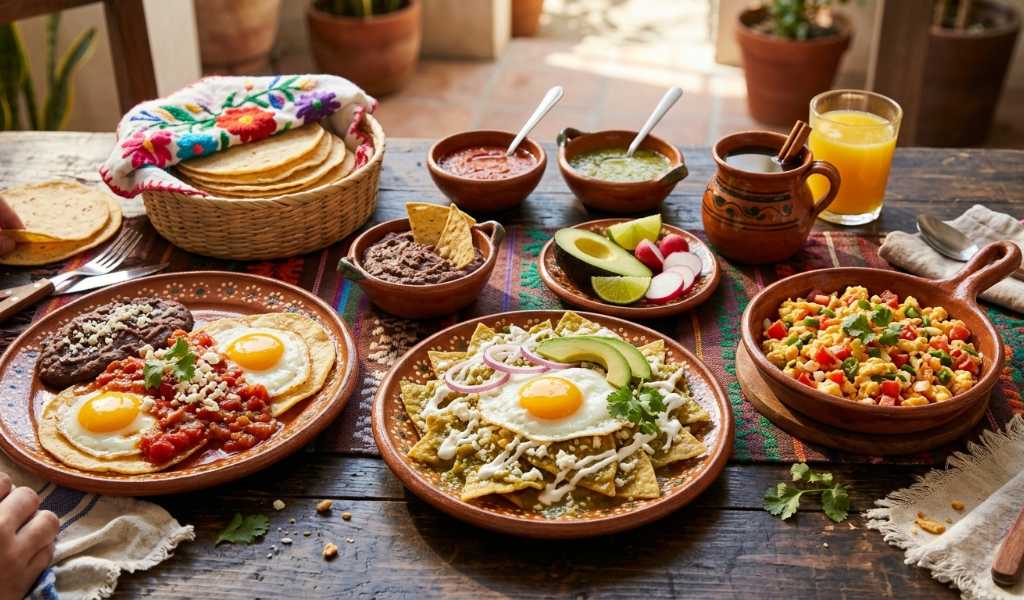
Mexican breakfast cooking rarely settles for a single flavor note. Heat, acid, and freshness all show up on the same plate, often within the same bite. That layering is exactly what separates these dishes from a plain scrambled egg with toast.
Corn tortillas play a central role across nearly every dish in this category. Their slightly nutty, toasted flavor provides a sturdy base that holds up against salsa, beans, and melted cheese. Frying or lightly charring them before serving adds another layer of texture most recipes rely on.
Fresh salsa ties the entire plate together more than any single spice could. A simple tomato and chili salsa, made fresh rather than from a jar, changes the entire character of a dish. Even a basic fried egg transforms once a spoonful of that salsa lands on top.
Pantry Staples for Mexican Breakfasts
Stocking a few key ingredients makes these recipes far easier to pull together on a regular weekday. Most of these staples also store well, so one shopping trip covers several mornings.
: Corn tortillas for frying, charring, or layering into a base : Dried or canned black beans and refried beans for protein and texture : Fresh or canned tomatoes for salsa and simmering sauces : Dried chilies, like guajillo or chipotle in adobo, for depth and heat : Queso fresco or cotija cheese for a salty, crumbly finishing touch : Fresh cilantro, lime, and white onion for brightness on every plate
Keeping a jar of pickled jalapeños in the fridge also adds a quick, tangy heat whenever a dish needs it. Avocado, while not strictly traditional in every recipe, rounds out the plate with creaminess that balances spicier elements. Building a pantry around these staples turns Mexican breakfast cooking from occasional to routine.
Recipe One: Classic Huevos Rancheros
Huevos rancheros starts with a simple ranchera sauce, made by simmering tomatoes, onion, and dried chilies until they soften and deepen in flavor. Blending that mixture until smooth, then straining it for a silkier texture, creates the base that defines the dish. Simmering the sauce for another few minutes thickens it to the right consistency.
Lightly frying corn tortillas in a small amount of oil softens them just enough to hold toppings without falling apart. Spreading a layer of warmed refried beans across each tortilla adds both flavor and structure. A fried egg, cooked sunny side up with a slightly runny yolk, goes directly on top of the beans.
Spooning the warm ranchera sauce over the egg finishes the dish, letting the yolk mix into the sauce once pierced. A sprinkle of crumbled queso fresco and fresh cilantro adds the final layer of flavor and color. Served with a wedge of lime on the side, this dish delivers a complete, satisfying breakfast in one plate.
Common Variations Worth Trying
Some versions swap the blended ranchera sauce for a chunkier, more rustic salsa made with diced rather than blended tomatoes. This variation trades smoothness for a heartier texture that some cooks prefer. Either approach stays true to the core spirit of the dish.
Adding a scoop of Mexican rice alongside the tortilla turns huevos rancheros into an even more filling plate. This works particularly well for a weekend brunch where a lighter breakfast portion feels insufficient. The rice also helps soak up any extra ranchera sauce left on the plate.
Recipe Two: Quick and Spicy Chilaquiles With Eggs
Chilaquiles exist largely to rescue slightly stale tortilla chips from going to waste. Simmering a red or green salsa in a wide skillet creates the base that the chips will soak into. Tossing the chips directly into that warm sauce coats each piece without letting them turn fully soggy.
Cooking the chips in the sauce for just a minute or two keeps some texture intact, which matters for the final dish. Pulling the skillet off the heat before the chips lose all their crunch prevents an overly mushy result. A fried egg placed directly on top finishes the dish with its classic runny yolk.
Topping the finished chilaquiles with crumbled cotija cheese, sliced red onion, and a dollop of crema balances the heat from the salsa. Fresh cilantro and a few avocado slices add brightness and creaminess to every bite. The entire dish, start to finish, usually comes together in under fifteen minutes.
Red Versus Green Salsa
Red salsa, built from dried guajillo or ancho chilies and tomatoes, brings a deeper, slightly smoky flavor to chilaquiles. Green salsa, made from tomatillos and fresh green chilies, leans brighter and more acidic instead. Neither version is more authentic than the other, since both appear across different regions of Mexico.
Keeping both sauces on hand, even store bought versions in a pinch, lets you rotate the flavor profile without much extra effort. Many home cooks simply choose based on what chilies happen to be in the pantry that week. This flexibility is part of what makes chilaquiles such a practical weekday dish.
Recipe Three: Breakfast Burritos With Chorizo and Scrambled Eggs
Mexican chorizo, a fresh, heavily spiced pork sausage, brings serious flavor once it renders its fat in a hot skillet. Breaking it apart with a spatula as it cooks ensures even browning throughout. Draining excess fat before adding the eggs keeps the final burrito from turning greasy.
Scrambling eggs directly into the same skillet lets them absorb the chorizo’s spice and color as they cook. Keeping the heat moderate and stirring gently prevents the eggs from turning rubbery against the already hot pan. A handful of shredded cheese folded in at the end melts smoothly into the warm eggs.
Warming a large flour tortilla briefly in a dry skillet makes it pliable enough to roll tightly without tearing. Layering the chorizo and egg mixture down the center, along with a scoop of refried beans, builds a filling base. Rolling the tortilla tightly, tucking in the sides first, keeps the burrito intact through the first bite.
Make Ahead Tips for Busy Mornings
Breakfast burritos freeze exceptionally well, making this recipe one of the most practical in the entire Mexican breakfast category. Wrapping each burrito individually in foil before freezing keeps them fresh for several weeks. Reheating one in a toaster oven or skillet, rather than a microwave, preserves more of the tortilla’s texture.
Batch cooking a dozen burritos on a weekend sets up an entire month of quick weekday breakfasts. Labeling each foil wrapped burrito with the date helps track freshness over time. This single habit turns a labor intensive recipe into one of the easiest options in your rotation.
Salsa and Topping Recommendations
A short list of toppings consistently elevates any of these three dishes without much added effort:
: Queso fresco or cotija for a salty, crumbly finish : Fresh cilantro and diced white onion for brightness : A squeeze of fresh lime juice right before serving : Sliced avocado or a smear of guacamole for creaminess : Pickled jalapeños for an extra layer of tangy heat
Building a small topping bar, even just a few bowls set out on the counter, lets everyone customize their own plate. This approach works especially well when serving a mix of spice tolerances at the same table. A little variety in toppings keeps even a familiar dish feeling fresh each time.
Final Thoughts
Mexican breakfast cooking turns the humble egg into something layered, bold, and genuinely exciting. Huevos rancheros, chilaquiles, and chorizo burritos each bring a distinct texture and flavor profile to the table. Stocking a few key pantry staples makes all three realistic for a regular weekday rotation.
Pick one of these three dishes and make it this weekend, starting with whichever pantry staples you already have on hand. Once you taste the difference fresh salsa makes, a plain scrambled egg will feel like it is missing something.
Frequently Asked Questions
What is the difference between huevos rancheros and chilaquiles?
Huevos rancheros uses whole fried tortillas topped with sauce and egg, while chilaquiles simmers tortilla chips directly in the sauce.
Can I make Mexican breakfast burritos ahead of time?
Yes, breakfast burritos freeze well for several weeks when wrapped individually and reheated in a skillet or toaster oven.
What type of chorizo is used in breakfast burritos?
Mexican chorizo, a fresh raw sausage, is the traditional choice, unlike the cured, ready to eat Spanish version.
Is chilaquiles supposed to be soggy?
No, properly made chilaquiles should keep some crunch, since the chips only simmer briefly in the sauce.
What cheese is traditionally used in Mexican egg breakfasts?
Queso fresco and cotija are the most traditional cheeses, both known for their salty, crumbly texture.
