
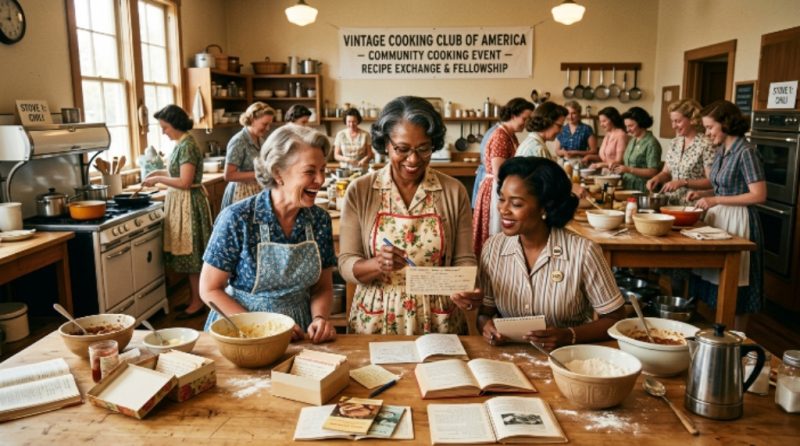
Cooking Club of America became one of the most recognised cooking membership organisations for home cooks. It blended recipes, product testing, magazines, and educational content into one nationwide community. During its strongest years, millions of cooking enthusiasts explored new techniques through its membership programmes. Moreover, its story reflects changing consumer habits as printed clubs gradually gave way to digital food platforms.
Many membership organisations flourished during the late twentieth century because people wanted trusted cooking guidance. Cooking Club of America followed this successful model with exclusive benefits and practical kitchen resources. As technology advanced, however, the organisation faced growing competition from free online recipes and cooking videos. Understanding its history explains both its remarkable growth and its eventual decline.
The Beginning Of Cooking Club Of America
Cooking Club of America launched during the early 2000s as a national membership organisation for home cooks. Its goal focused on helping everyday people improve cooking skills through practical education and exclusive resources.
The club belonged to a larger family of lifestyle membership organisations. These organisations served people with specialised interests including gardening, fishing, home improvement, and outdoor activities.
Unlike professional chef associations, Cooking Club of America targeted ordinary households. Members ranged from beginners to experienced home cooks who enjoyed learning new recipes.
The organisation combined education with entertainment. Members received cooking magazines, recipe collections, kitchen tips, and invitations to participate in product evaluations.
The Vision Behind The Club
Cooking Club of America wanted to create more than another recipe publisher. Instead, it aimed to build a nationwide cooking community.
Its founders recognised that many people wanted reliable cooking advice without attending expensive culinary schools. Therefore, the club delivered practical information directly to members.
The membership model encouraged continuous learning. Rather than purchasing separate cookbooks, members received fresh content throughout the year.
This approach helped establish long term relationships with cooking enthusiasts. Many members remained active for several years.
How The Membership Worked
Members typically joined through promotional offers and advertisements. After enrolling, they gained access to exclusive cooking materials and member benefits.
Most memberships included printed magazines filled with seasonal recipes. Furthermore, these publications featured cooking techniques, ingredient guides, and kitchen organisation ideas.
Many subscribers also received invitations to test kitchen products. These opportunities allowed members to evaluate cookware and share detailed opinions.
Additional offers often included discounts on selected cooking products. Consequently, members viewed the club as both educational and rewarding.
Popular Member Benefits
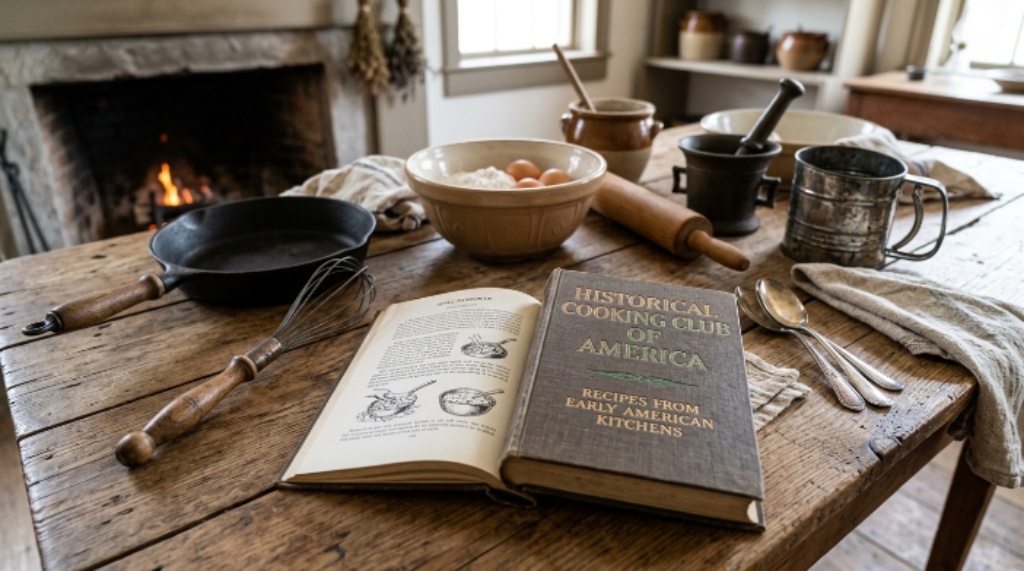
Cooking Club of America attracted loyal members through several appealing features.
- Monthly or regular cooking magazines
- Recipe collections covering many cuisines
- Cooking tips from experienced food writers
- Product testing opportunities
- Kitchen tool recommendations
- Member only promotions
- Seasonal cooking inspiration
- Food preparation guides
These benefits encouraged members to keep improving their kitchen confidence.
The Cooking Club Magazine
The printed magazine became one of the organisation’s strongest attractions. Many members eagerly anticipated every new issue.
Each edition included recipes for everyday meals and holiday celebrations. Readers also discovered baking ideas, grilling advice, and healthy cooking suggestions.
Food photography made every issue visually appealing. Consequently, the magazine inspired members to experiment with unfamiliar dishes.
Regular columns discussed ingredient substitutions and cooking mistakes. These practical lessons helped beginners gain confidence quickly.
Product Testing Programme
One distinctive feature separated Cooking Club of America from many traditional recipe clubs. Members occasionally received opportunities to test cooking products.
Selected participants evaluated cookware, utensils, small appliances, and kitchen accessories. Afterwards, they submitted honest feedback about product performance.
Manufacturers gained valuable customer opinions before wider product launches. Meanwhile, members enjoyed trying new kitchen innovations.
Although not every member participated regularly, the programme generated significant excitement throughout the community.
Building A National Cooking Community
Cooking Club of America encouraged interaction among food lovers across the country. Members shared cooking experiences through club activities and publications.
The organisation celebrated home cooking rather than professional competition. Therefore, recipes focused on realistic family meals instead of restaurant style presentations.
Cooking became a shared hobby instead of an individual activity. Members enjoyed feeling connected through similar interests.
This community atmosphere strengthened customer loyalty. As a result, many members recommended the club to friends and relatives.
Educational Focus
Education remained central throughout the organisation’s development. Every publication aimed to improve practical cooking knowledge.
Members learned knife skills, baking basics, grilling methods, and food safety practices. Moreover, articles explained ingredient selection and meal planning.
Recipes included clear instructions for different experience levels. Beginners could follow simple dishes while experienced cooks explored advanced techniques.
Educational content helped distinguish the organisation from ordinary recipe collections.
Recipe Development
Recipes underwent careful preparation before publication. Editors focused on reliable results using commonly available ingredients.
Instructions remained easy to understand without unnecessary culinary terminology. Therefore, home cooks could prepare meals confidently.
Recipe categories covered breakfast, lunch, dinner, desserts, and special occasions. This variety appealed to households with different preferences.
Seasonal recipes also encouraged members to cook with fresh ingredients throughout the year.
Kitchen Skills
Many articles concentrated on practical kitchen techniques. Readers learned methods that improved everyday cooking efficiency.
Topics included food storage, knife maintenance, measuring accuracy, and cooking temperatures. These lessons reduced common kitchen mistakes.
Members gradually developed stronger cooking confidence. Consequently, many viewed the club as an ongoing learning resource.
Why The Club Became Popular
Several factors contributed to Cooking Club of America’s rapid growth.
First, home cooking remained an important family activity. People wanted reliable recipes that produced consistent results.
Second, printed magazines offered carefully organised information. Unlike scattered internet searches, every issue presented structured cooking guidance.
Third, exclusive membership benefits created additional value. Product testing opportunities especially attracted enthusiastic home cooks.
Finally, the organisation maintained a welcoming atmosphere. Members felt included regardless of cooking experience.
Challenges During The Digital Era
The internet transformed how people searched for recipes. Free cooking websites expanded rapidly and changed consumer expectations.
Video tutorials also became increasingly popular. People could watch complete cooking demonstrations instead of reading printed instructions.
Social media introduced instant recipe sharing between millions of users. Therefore, traditional membership organisations faced stronger competition.
Digital convenience gradually reduced demand for subscription based cooking clubs.
Decline Of The Organisation
Cooking Club of America experienced declining visibility as online food resources expanded. Maintaining large print operations also became increasingly difficult.
Consumer behaviour shifted toward instant digital access. Many people preferred searching for recipes whenever needed.
Membership based publications struggled against unlimited free cooking content. Consequently, the organisation gradually reduced its public presence.
Eventually, active operations ended after years of declining activity. Former members continued discussing their positive experiences long afterward.
Lasting Legacy
Although the organisation no longer operates as before, its influence remains meaningful. Many former members still own magazines and recipe collections.
Printed recipes continue serving families today. Numerous members also remember discovering favourite dishes through club publications.
The organisation demonstrated that cooking communities could inspire lifelong learning. Its educational approach influenced later food platforms.
Furthermore, Cooking Club of America helped popularise product testing within the home cooking market.
Lessons For Modern Cooking Communities
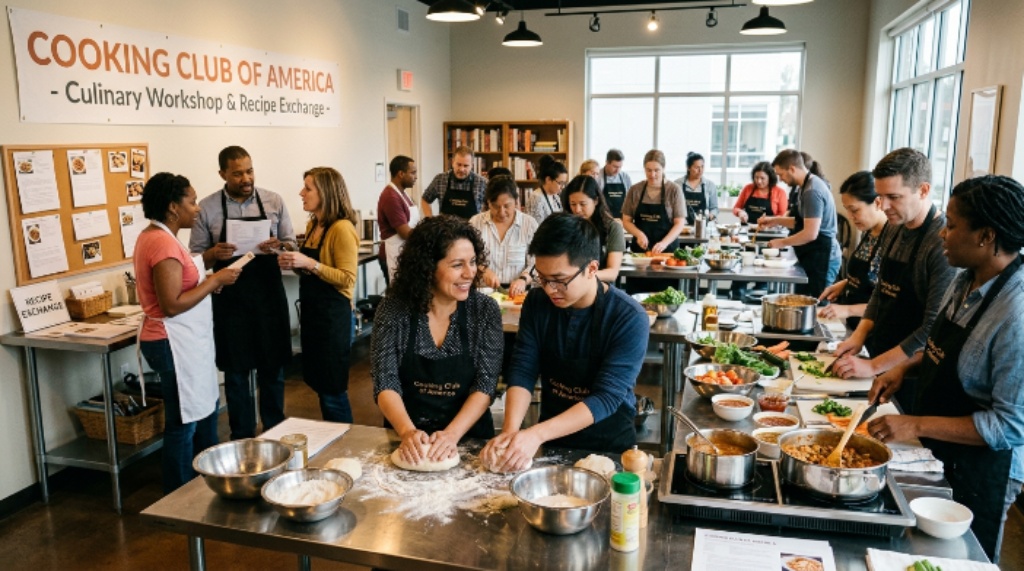
Today’s online cooking groups can learn several valuable lessons from Cooking Club of America.
Strong communities grow through trust and consistent educational content. Members appreciate reliable information more than constant promotions.
Practical recipes remain more valuable than complicated restaurant techniques. Home cooks prefer meals they can prepare successfully.
Active member participation strengthens long term engagement. Therefore, encouraging feedback continues benefiting both organisations and participants.
How Cooking Clubs Continue To Evolve
Modern cooking communities now combine digital convenience with interactive experiences. Many offer mobile applications, online classes, and virtual cooking events.
Video demonstrations simplify difficult techniques for beginners. Interactive discussions also create stronger member engagement.
Artificial intelligence now helps personalise recipes according to dietary preferences. Consequently, cooking education continues evolving with technology.
Despite these innovations, the original mission remains unchanged. People still seek trusted guidance that improves everyday cooking.
Why Cooking Club Of America Still Matters
Cooking Club of America represents an important chapter in home cooking history. It connected thousands of families through shared culinary interests.
Its membership model reflected an era when printed magazines served as primary educational resources. Those publications introduced many people to new recipes and cooking skills.
Although technology changed consumer habits, the organisation proved that community learning encourages better cooking. That principle remains relevant today.
The club’s history also reminds modern businesses that adapting to changing technology remains essential for long term success.
Conclusion
Cooking Club of America successfully combined education, community, and practical cooking guidance for countless home cooks. Its magazines, recipes, and product testing opportunities created memorable experiences that many former members still appreciate. Although digital technology eventually replaced traditional membership models, the organisation left an important mark on American home cooking culture. If you enjoy culinary history, explore how modern cooking communities continue building upon the same passion for learning, sharing, and creating memorable meals.
FAQs
When was Cooking Club Of America founded?
Cooking Club of America launched during the early 2000s as a national cooking membership organisation.
Who could join Cooking Club Of America?
Any home cook interested in improving cooking skills could become a member.
What made Cooking Club Of America unique?
Its combination of magazines, recipes, product testing, and member benefits distinguished it from ordinary recipe publishers.
Does Cooking Club Of America still operate?
No, the organisation gradually ended active operations after digital cooking resources became widely available.
Why do people still remember Cooking Club Of America?
Many former members value its trusted recipes, educational magazines, and enjoyable community experience.
