
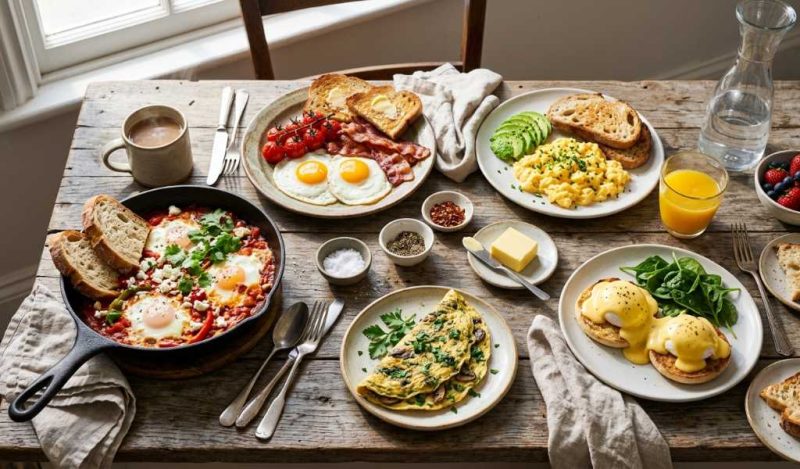
The best breakfast ideas with eggs combine one smart cooking technique with one bold pairing, like potatoes, bacon, or a warm tortilla. Scrambling, baking, poaching, and frying each bring out a different texture, so the right method depends on how much time you have. Once you know the basics, eggs turn into dozens of different morning meals instead of one repeated dish.
Eggs sit at the center of almost every culture’s morning table, and for good reason. They cook fast, pair with nearly anything in the fridge, and deliver serious nutrition for very little effort. This guide walks through the science, the techniques, and the creative directions you can take eggs, from a rushed Tuesday to a holiday brunch table. By the end, you will have a full framework for building your own breakfast ideas with eggs instead of just following one recipe.
The Nutritional Power Behind Every Egg
A single large egg carries around 72 calories and roughly 6 grams of complete protein. That protein contains all nine essential amino acids, so your body can use it directly for muscle repair and daily energy. Most of that protein sits in the egg white, while the yolk holds the fat, cholesterol, and a dense cluster of vitamins.
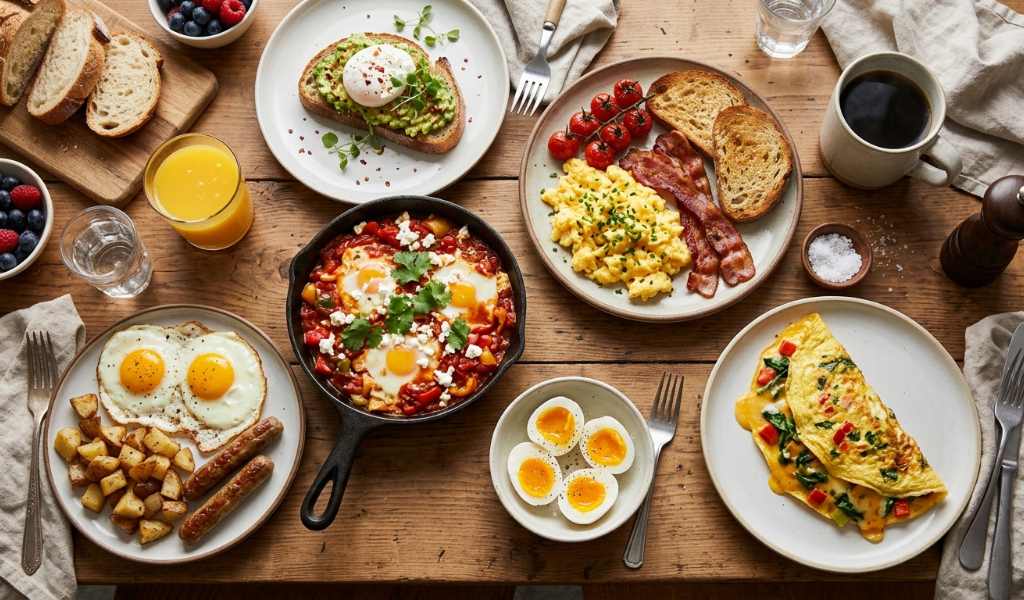
Eggs are naturally rich in vitamin B12, vitamin D, riboflavin, and choline. Choline supports brain function and liver health, and most people do not get enough of it from other foods. The yolk also contains lutein and zeaxanthin, two antioxidants tied to long term eye health.
Eggs also carry smaller amounts of iron, selenium, and iodine. Selenium works alongside other antioxidants to protect cells from everyday damage. Iodine supports a healthy thyroid, which in turn helps regulate your metabolism throughout the day.
What the Latest Research Says About Cholesterol
For years, people avoided eggs because of their cholesterol content. Newer clinical research has shifted that conversation considerably. A 2025 randomized study found that saturated fat, not dietary cholesterol, is the stronger driver of harmful LDL levels in most healthy adults.
Researchers behind that study separated the effects of cholesterol and saturated fat for the first time in a controlled trial. They found that a diet high in egg cholesterol but low in saturated fat did not raise bad cholesterol. Instead, the saturated fat from sides like sausage and buttered toast turned out to be the real factor worth watching.
Current guidance from major health bodies no longer sets a strict daily cholesterol cap, and instead points to overall dietary patterns. The most recent Dietary Guidelines for Americans dropped the old cholesterol ceiling entirely. That shift reflects a broader understanding that the body regulates its own cholesterol production based on what you eat.
That means the bacon grease and butter in your pan matter more than the egg itself. Eating eggs alongside vegetables, whole grains, and lean proteins keeps the meal balanced. For most healthy adults, up to seven eggs a week fits comfortably within current nutrition guidance, though anyone managing a specific heart condition should still check with a doctor.
Eggs and Weight Management
Protein at breakfast has a well documented effect on appetite later in the day. Eggs digest slower than refined carbohydrates, which helps blunt the mid morning hunger spike. A couple of eggs paired with vegetables tends to hold people over far longer than cereal or a pastry.
This matters most for anyone trying to manage weight without counting every calorie. Starting the day with protein instead of sugar reduces the odds of snacking before lunch. Small shifts like this add up over weeks, even without any other change to your diet.
Essential Egg Cooking Techniques Everyone Should Know
Before jumping into recipes, it helps to master the handful of techniques that every egg dish builds on. Each method changes the texture, cook time, and best use case. Learning why each one works makes it far easier to fix a dish that goes wrong.
Scrambling
Low heat is the real secret to soft, creamy scrambled eggs. Whisk the eggs thoroughly before they hit the pan so the whites and yolks fully combine. Stir constantly and pull the pan off the heat just before the eggs look fully set, since they keep cooking from residual heat.
A small splash of milk or cream can soften the final texture further, though it is not required. Some cooks prefer a touch of water instead, since it creates steam that keeps the curds light. Whichever you choose, add it before cooking rather than after, so it blends evenly.
Butter tends to give a richer flavor than oil for scrambled eggs specifically. Melt it slowly so it never browns, since browned butter changes the taste of the final dish. A nonstick or well seasoned pan also makes a noticeable difference in how easily the eggs release.
Frying
A hot pan with a thin layer of fat gives you crisp edges and a controlled yolk. Sunny side up leaves the yolk fully runny, while over easy flips the egg briefly to set the white on both sides. Salt right before serving instead of during cooking, since early salting can toughen the whites.
Basting the egg with hot fat is a useful trick for sunny side up eggs. Tilting the pan and spooning the fat over the yolk sets the top without ever flipping it. This keeps the yolk fully intact while still cooking the white evenly.
A lid can replace basting for anyone who prefers a hands off approach. Covering the pan for about a minute traps steam that gently sets the top of the egg. This method works especially well for anyone cooking several eggs at once.
Poaching
Poached eggs need a gentle simmer, not a rolling boil, and a splash of vinegar in the water. Crack the egg into a small cup first, then slide it in close to the water’s surface. This single habit prevents the whites from scattering and keeps the shape tight.
Fresh eggs poach far better than older ones, since the whites are naturally thicker and hold together longer. If your eggs are a few weeks old, straining the egg through a fine mesh sieve before poaching removes the thinnest, loosest part of the white. This small extra step makes a visible difference in the final shape.
Poached eggs can also be made ahead and stored in ice water in the fridge. Reheating them in hot water for about a minute brings them right back to temperature. This trick turns poached eggs into a realistic weekday option instead of a weekend only treat.
Baking
Baking eggs works well for feeding a group at once. A greased ramekin or muffin tin at 350 degrees Fahrenheit for 15 to 20 minutes gives you a custardy, hands off result. This method also forms the base for casseroles, egg cups, and strata dishes later in this guide.
Lining muffin tins with a thin layer of cheese or deli ham before adding the egg creates an easy edible wrapper. This also keeps the egg from sticking even without much grease. Baked eggs continue cooking slightly after they leave the oven, so pulling them a touch early avoids an overcooked center.
Boiling
Boiling seems simple, but timing determines everything about the final result. Six minutes produces a jammy, soft center, while twelve minutes gives a fully firm yolk throughout. Starting the eggs in already boiling water, rather than cold water, gives more consistent and repeatable timing.
An ice bath immediately after boiling stops the cooking process and makes peeling far easier. Eggs that sit a few days before boiling also peel more cleanly than fresh ones. This is one reason many cooks keep a slightly older carton specifically for boiling.
Why Eggs Sometimes Turn Green or Rubbery
A greenish ring around a boiled yolk comes from a harmless chemical reaction between sulfur and iron inside the egg. It happens mainly when eggs cook too long or at too high a temperature. Shortening the cook time and cooling the eggs quickly almost always prevents it.
Rubbery eggs, in any preparation, usually trace back to the same root cause. Too much heat for too long squeezes moisture out of the egg proteins. Lower heat and shorter cook times solve this problem across scrambling, frying, and baking alike.
Meal Prep and Quick Morning Strategies
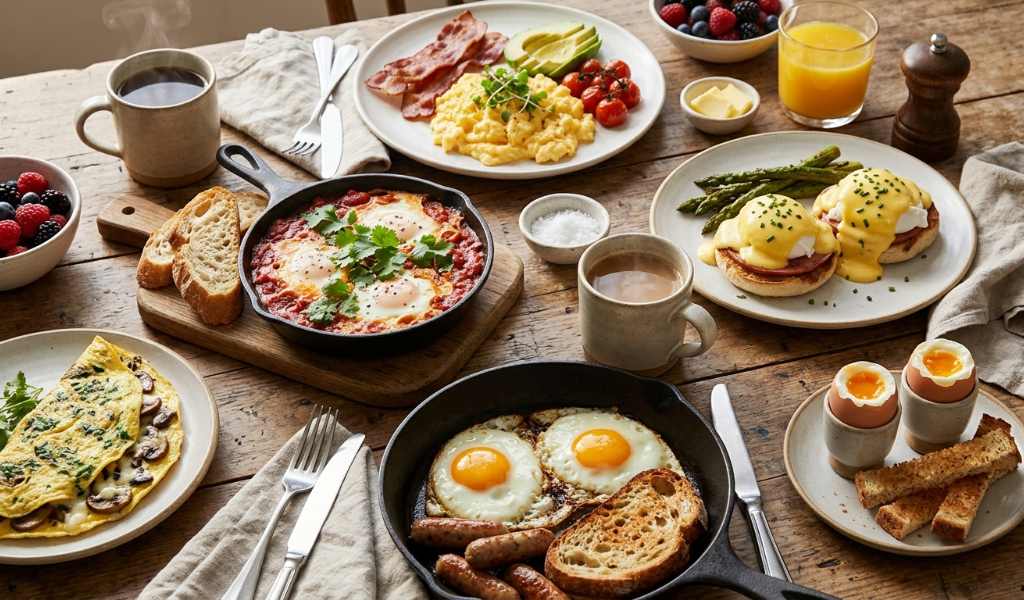
Busy mornings call for eggs that are already done. This is where boiled eggs earn their reputation as the ultimate time saver, since a batch keeps well in the fridge for about a week. Once you have a container ready, breakfast turns into assembly instead of cooking.
If mornings in your house always feel rushed, a deeper set of breakfast ideas with hard boiled eggs can turn that chaos into a five minute routine. Chop them into a grain bowl, slice them onto toast, or eat them straight with a little salt and hot sauce. Keeping a few other grab and go items nearby, like fruit or nuts, rounds the meal out further.
Building a Weekly Prep System
A reliable prep routine usually starts with one dedicated cooking session, often on a Sunday. Boiling a dozen eggs, baking a tray of egg muffins, and chopping vegetables all at once saves repeated cleanup later. Storing everything in clear containers also makes it easier to see what is ready to eat.
Labeling containers with the date helps avoid any guesswork about freshness later in the week. Most cooked egg dishes stay safe in the fridge for about five days when stored properly. Keeping portions separated by meal, rather than in one large container, also speeds up the grab and go process.
Batch cooking extends beyond boiling, too. A sheet pan of baked eggs or a tray of egg muffins can be portioned into containers for the whole week. Reheating takes under a minute, which matters on mornings where every extra step feels like too much.
Freezing and Reheating Without Losing Texture
Freezing is another underused option. Cooked egg patties or breakfast burritos freeze cleanly and reheat well in a toaster oven. This turns one Sunday of cooking into five weekday breakfasts without much extra effort.
Plain scrambled or fried eggs do not freeze particularly well on their own, since the texture turns watery once thawed. Egg dishes with added structure, like muffins, casseroles, or burritos, hold up far better. Wrapping each portion individually before freezing also prevents freezer burn and keeps flavors separate.
Reheating from frozen works best with a slower method, like a toaster oven or covered skillet on low heat. Microwaving still works in a pinch, though short bursts with stirring in between give a gentler result. Avoiding full power on a microwave helps the eggs stay tender instead of turning tough.
Balancing Indulgence and Health
Bacon and eggs remain one of the most requested breakfast pairings, and there is no need to give it up entirely. The key is choosing leaner cuts and controlling the cooking method. Turkey bacon, center cut bacon, and nitrate free options all cut down on the saturated fat that actually drives cholesterol concerns.
Anyone looking for healthy breakfast ideas with eggs and bacon can lean on baking instead of pan frying, which lets excess fat drip away. A baked egg and bacon cup with spinach delivers the same flavor profile with a fraction of the grease. Crustless quiche is another strong option, since it swaps the heavy pastry base for a lighter egg custard packed with vegetables.
Smart Substitutions That Do Not Sacrifice Flavor
Swapping a portion of whole eggs for egg whites lowers both fat and calories while keeping most of the protein. A common ratio uses one whole egg for every two egg whites in a dish. This keeps some yolk flavor and nutrients while trimming the overall fat content.
Turkey bacon and chicken sausage both bring a similar smoky, savory profile with noticeably less saturated fat than pork versions. Baking these proteins on a sheet pan next to the eggs also cuts down on cleanup. One pan, two proteins, and a shorter ingredient list make weekday cooking far simpler.
Vegetables add volume and nutrients without adding much in the way of calories. Spinach, bell peppers, mushrooms, and tomatoes all cook quickly alongside eggs and bacon. Folding a handful of greens into a scramble is often the single easiest upgrade to any egg dish.
Getting Portions Right
Portion size matters just as much as ingredient choice. Two strips of bacon alongside two eggs and a vegetable side keeps the meal balanced without feeling restrictive. Pairing protein with fiber, through fruit or whole grain toast, also slows digestion and keeps you full longer into the morning.
A useful mental model splits the plate into thirds. One third goes to the eggs and bacon, one third to a starch like toast or potatoes, and one third to fruit or vegetables. This rough framework works for almost any egg breakfast, not just the bacon pairing.
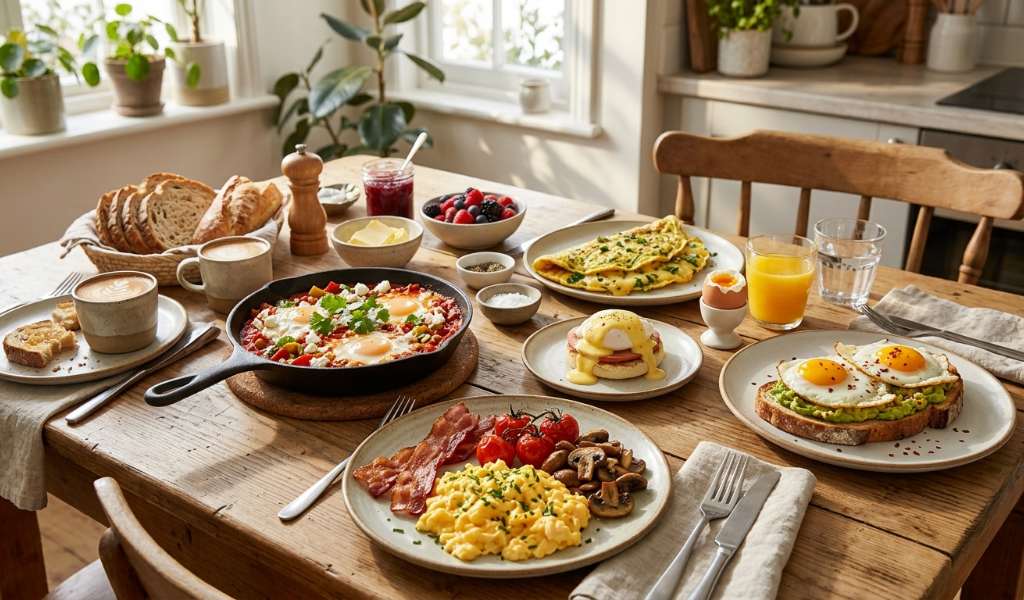
Breaking Out of the Breakfast Routine
Scrambled eggs on repeat get boring fast, and that boredom is usually what pushes people toward less nutritious options. Small changes in technique can completely shift the experience of an egg without adding much effort. The goal is variety, not complexity.
If your current rotation feels stale, a few different breakfast ideas with eggs can reset the whole routine. Savory oatmeal topped with a poached egg blends two breakfast staples into something heartier than either alone. Egg stuffed portobello mushrooms swap the usual toast base for something earthier and lower in carbohydrates.
Texture and Flavor Experiments Worth Trying
Cloud eggs offer a more playful option for weekend mornings. Whipping the egg whites separately before baking the yolk back on top creates a light, almost soufflé like texture. Simple flavor swaps, like adding smoked paprika, curry powder, or fresh herbs, also change the character of a basic fried egg without new equipment.
Soft boiled eggs with toast soldiers bring a nostalgic, almost ceremonial feel to an ordinary morning. Slicing the top off the shell and dipping buttered toast strips into the runny yolk turns breakfast into a small ritual. This dish needs almost no ingredients, yet it feels far more special than a standard scramble.
Egg fried rice, made breakfast style with leftover rice, vegetables, and a soy based sauce, reimagines eggs as a savory, fuller meal. This dish also solves the common problem of leftover rice going to waste. A fried egg laid on top, yolk still runny, ties the whole dish together.
Spice and Sauce Pairings
A jar of chili crisp, a bottle of hot sauce, or a spoon of pesto can transform the exact same scrambled eggs every single day. Rotating just one condiment keeps the base recipe simple while the flavor stays fresh. This is often the lowest effort way to avoid breakfast boredom entirely.
Fresh herbs like chives, cilantro, or dill brighten almost any egg dish within seconds. Adding them at the very end, rather than during cooking, preserves their color and sharper flavor. A small herb garden on a windowsill makes this upgrade essentially free.
Hearty and Filling Options for Big Appetites
Sometimes breakfast needs to carry you through a long morning, and that calls for more than eggs alone. Potatoes are the classic answer, since their starch and volume create real staying power. The combination also happens to be one of the most satisfying flavor pairings in breakfast cooking.
For anyone chasing bigger, more filling breakfast ideas with eggs and potatoes, a few techniques make all the difference. Russet potatoes crisp up best for home fries, while waxy varieties like Yukon Golds hold their shape better in a Spanish tortilla. Parboiling diced potatoes for a few minutes before pan frying also locks in that diner style crunch.
Getting Potatoes Properly Crispy
Moisture is the enemy of crispy potatoes, so drying diced or sliced potatoes thoroughly before they hit the pan matters more than most people realize. A clean kitchen towel works well for this step. Skipping it usually leads to steamed, soft potatoes instead of a golden crust.
Spreading the potatoes in a single layer, rather than piling them up, also helps them crisp evenly. Overcrowding the pan traps steam and leads to uneven cooking. Working in two batches, if needed, almost always beats forcing everything into one crowded skillet.
A Spanish tortilla layers thinly sliced potatoes with beaten eggs and slow cooks them into a dense, sliceable cake. Loaded baked potato breakfast boats take the concept further, topping a hollowed potato with scrambled eggs, cheese, and bacon bits. Both options work well for feeding a hungry household without extra dishes to prepare.
Other Hearty Pairings Worth Exploring
Sweet potatoes offer a slightly sweeter, more nutrient dense alternative to regular potatoes in a morning hash. Their natural sugars caramelize nicely alongside peppers and onions in a hot skillet. A fried egg on top finishes the dish without adding much extra prep time.
Grits, polenta, and hash browns all serve a similar structural role to potatoes in a filling egg breakfast. Each one brings a different texture while still soaking up a runny yolk beautifully. Rotating between these bases is another simple way to keep hearty breakfasts from feeling repetitive.
Global Inspiration for Your Morning Table
Egg based breakfasts look completely different depending on where you are in the world, and that variety is worth exploring. Shakshuka from North Africa poaches eggs directly in a spiced tomato sauce. Turkish eggs pair soft poached eggs with garlicky yogurt and chili infused butter.
Few cuisines celebrate eggs quite like Mexican cooking, and a set of mexican breakfast ideas with eggs opens up an entirely new flavor world. Huevos rancheros layers fried eggs over crisp tortillas, beans, and salsa for a filling, savory start. Chilaquiles turns leftover tortilla chips into a quick, spicy skillet dish finished with a fried egg on top.
Breakfast burritos round out the category with scrambled eggs, chorizo, and melted cheese wrapped tight in a warm tortilla. These dishes rely on bold spice blends and fresh salsa, which brings far more depth than a plain scramble ever could. Trying even one new regional dish a month keeps your breakfast rotation genuinely exciting.
More Regional Egg Dishes to Explore
Japanese tamagoyaki rolls thin layers of lightly sweetened egg into a neat, sliceable log. It usually appears alongside rice and pickled vegetables rather than as a standalone dish. The rolling technique takes practice, but the result looks far more impressive than the effort required.
Indian masala omelets fold in chopped onion, green chili, tomato, and a blend of warm spices directly into the egg mixture. Serving it with warm flatbread, like paratha, turns the dish into a complete, satisfying meal. The spice blend can flex depending on what vegetables you already have on hand.
French style eggs lean heavily on technique rather than heavy seasoning. A classic French omelet stays pale, soft, and rolled rather than browned and flat. Mastering this version builds knife skills and heat control that carry over into almost every other egg dish.
Special Occasions and Entertaining a Crowd
Hosting for brunch puts extra pressure on timing, since nobody wants to stand at the stove while guests wait. Make ahead dishes solve that problem entirely. Prepping the night before means you spend the morning with your guests instead of your pan.
A table full of christmas breakfast ideas with eggs tends to favor exactly this kind of planning. An overnight breakfast strata, layered with bread, cheese, and sausage, simply bakes while coffee gets poured. A smoked salmon and egg bake adds an elegant touch without demanding any last minute attention.
Make Ahead Strategies for a Stress Free Morning
Assembling a casserole the night before and refrigerating it overnight lets the bread fully absorb the egg custard. This step actually improves the texture rather than just saving time. The dish goes straight from fridge to oven with no extra prep in the morning.
A build your own egg bake bar works well for larger gatherings with varied tastes. Setting out bowls of cheese, vegetables, and cooked meats lets guests customize their own ramekin before it goes in the oven. This turns cooking into part of the entertainment rather than a chore.
Presentation also elevates a holiday spread quickly. Arranging red and green peppers into rings before cracking an egg inside each one adds color with almost no extra work. A simple garnish of fresh herbs or a dusting of paprika finishes the plate without any added complexity.
Drinks and Sides That Round Out the Table
A proper brunch spread rarely stops at eggs alone. Fresh squeezed juice, a simple fruit salad, or a basket of warm pastries all complement an egg centered main dish. Keeping these sides light balances out a richer egg bake or strata.
Coffee and tea stations set up ahead of time also free the host from constant refills during the meal. A thermal carafe keeps coffee hot for hours without extra attention. These small logistical choices often matter more to a smooth morning than the main dish itself.
Getting the Kids Involved in the Kitchen
Cooking with kids works best when the task feels playful instead of technical. Eggs are forgiving enough to make great starter recipes, since small mistakes rarely ruin the dish. This is also where fun breakfast ideas with eggs tend to shine brightest.
Egg in a hole, sometimes called toad in the hole, turns breakfast into a shape cutting activity. Letting kids press cookie cutters into bread before the egg goes into the pan keeps little hands busy and invested. Egg muffins made in silicone molds offer another hands on project, since kids can pick their own mix ins before baking.
Age Appropriate Kitchen Tasks
Younger children can handle simple, low risk steps like whisking eggs in a bowl or sprinkling cheese onto a dish. These tasks build comfort in the kitchen without any exposure to heat or sharp tools. Even small contributions make kids feel genuinely involved in the final result.
Older kids, with supervision, can move on to cracking eggs or using a butter knife to cut soft ingredients. Letting them handle a nonstick pan under close watch introduces basic cooking skills gradually. These lessons tend to stick far better than any amount of verbal instruction alone.
Letting children choose their own toppings, from shredded cheese to diced peppers, builds genuine excitement around the meal. That sense of ownership often turns picky eaters into enthusiastic ones. A breakfast pizza with a fried egg on top works as a fun weekend reward that still delivers solid nutrition.
Turning Breakfast Into a Learning Moment
Eggs offer an easy, low stakes way to introduce basic kitchen science to curious kids. Watching egg whites turn from clear to white as they cook demonstrates protein changing shape under heat. This kind of simple observation can spark genuine curiosity about cooking in general.
Counting eggs, measuring ingredients, and setting timers all sneak basic math practice into a fun activity. None of it feels like schoolwork when it happens in the kitchen. This is one of the quieter benefits of cooking with kids on a relaxed weekend morning.
Final Thoughts on Mastering Eggs for Breakfast
Eggs reward curiosity more than almost any other breakfast ingredient. A single carton can become a quick boiled snack, a hearty potato hash, or a festive holiday bake, depending on the technique you choose. The science backs up what cooks have known for generations, since eggs deliver serious nutrition without demanding much time.
Mastering just four or five techniques covered in this guide opens up dozens of different meals. Scrambling, frying, poaching, baking, and boiling form the foundation for nearly every egg dish that exists. Everything else is really just a new combination of flavors layered on top of those basics.
Pick one new method or regional dish from this guide and try it this week. Small changes compound quickly, and before long, your breakfast routine will feel far less repetitive.
Frequently Asked Questions
Are eggs a healthy breakfast choice every day?
Yes, for most healthy adults, eating up to seven eggs a week fits within current nutrition guidance without raising heart disease risk.
What is the healthiest way to cook eggs?
Poaching and boiling use no added fat, making them the lightest cooking methods for eggs.
Why do my scrambled eggs turn rubbery?
High heat and overcooking cause scrambled eggs to turn rubbery, so lower the heat and remove them from the pan slightly early.
Can I meal prep eggs for the whole week?
Yes, boiled eggs, baked egg muffins, and egg casseroles all store safely in the fridge for about five to seven days.
Do eggs really raise cholesterol levels?
Current research shows saturated fat affects blood cholesterol far more than the dietary cholesterol found in eggs for most healthy people.
Why does my boiled egg have a green ring around the yolk?
A green ring forms from a harmless reaction between sulfur and iron when eggs cook too long or at too high a heat.
Can eggs help with weight management?
Yes, the protein in eggs slows digestion and reduces hunger later in the day compared to a carbohydrate heavy breakfast.
