
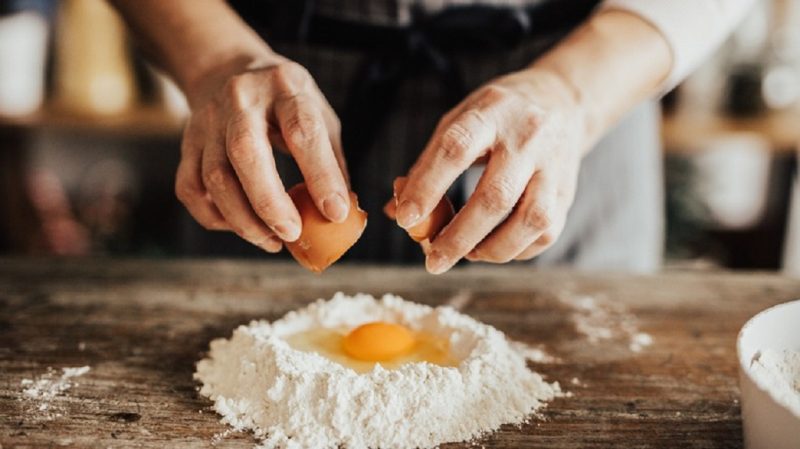
Making homemade pasta is a rewarding culinary adventure that brings fresh, delicious flavors to your table. However, even seasoned cooks can stumble when preparing pasta dough, leading to frustrating results. Whether you’re using a Smart Pasta Maker or kneading by hand, avoiding common pitfalls can elevate your pasta game. This article explores the top seven pasta dough making mistakes and provides simple fixes to ensure your dough is perfect every time.
Mistake 1: Using the Wrong Flour Type
Choosing the right flour is critical for pasta dough success. Many beginners grab all-purpose flour, assuming it’s suitable. However, this flour often lacks the protein content needed for the ideal texture. Consequently, the dough may turn out too soft or sticky, making it hard to roll or shape.
How to Fix It
Opt for “00” flour or semolina flour, which are traditional for pasta making. “00” flour is finely milled and creates a silky, elastic dough, while semolina adds durability for textured shapes. If unavailable, a blend of all-purpose and bread flour can work. For expert tips on troubleshooting, check out this guide on pasta dough making mistakes from Smart Pasta Maker. Always measure flour by weight for accuracy, as volume measurements can vary.

Mistake 2: Incorrect Water-to-Flour Ratio
A common error is adding too much or too little water, which affects dough consistency. Too much water results in a sticky, unmanageable mess, while too little makes the dough crumbly and tough to knead. This imbalance can ruin your pasta’s texture.
How to Fix It
Start with a standard ratio of 1 large egg per 100 grams of flour for egg-based dough, or about 50-60% water by weight for eggless dough. Add liquid gradually, mixing until the dough feels smooth and slightly tacky. If it’s too wet, sprinkle in flour sparingly. If too dry, add water a teaspoon at a time. Knead for 8-10 minutes to develop gluten, ensuring a cohesive dough.
Mistake 3: Overworking or Underworking the Dough
Kneading is essential for strong, elastic pasta dough, but finding the right balance is key. Under-kneading leaves the dough weak and prone to tearing, while over-kneading can make it tough and rubbery. Both mistakes lead to poor texture in the final pasta.
How to Fix It
Knead the dough until it’s smooth and springs back slightly when pressed, typically 8-10 minutes by hand. If using a stand mixer, knead on low speed for 5-7 minutes. Test by pinching a small piece; it should feel uniform and not crumbly. Additionally, let the dough rest for 30 minutes after kneading to relax the gluten, making it easier to roll out.
Mistake 4: Skipping the Resting Period
Many home cooks skip resting the dough, eager to start rolling. However, this step is crucial for texture and workability. Without resting, the dough can be tough to shape and may shrink back when rolled, leading to uneven thickness.
How to Fix It
Wrap the dough tightly in plastic wrap and let it rest at room temperature for 30-45 minutes. This allows the gluten to relax and the flour to fully hydrate, resulting in a pliable dough. For longer storage, refrigerate the dough for up to 24 hours, but bring it back to room temperature before rolling.
Mistake 5: Rolling Dough Too Thick or Thin
Incorrect dough thickness can ruin your pasta’s cooking time and texture. Rolling too thick creates chewy, heavy pasta, while rolling too thin can cause it to tear or cook unevenly. Beginners often struggle to find the right balance.
How to Fix It
Use a pasta machine or rolling pin to achieve consistent thickness. For most pasta shapes, aim for 1-2 mm, about the thickness of a dime. Start with thicker settings on a pasta machine and gradually work down, dusting with flour to prevent sticking. If rolling by hand, divide the dough into smaller portions for easier handling. Check out this Bon Appétit guide for detailed rolling techniques.
Mistake 6: Improper Dough Storage
Improperly stored dough can dry out or absorb moisture, affecting its texture and usability. Leaving dough uncovered or storing it incorrectly can lead to cracks or a sticky surface, making it difficult to work with.
How to Fix It
Wrap dough tightly in plastic wrap or place it in an airtight container immediately after kneading. If you’re not using it right away, refrigerate it for up to 24 hours. For longer storage, freeze the dough in portions, thawing in the fridge overnight before use. When rolling, work quickly and cover unused portions to prevent drying.
Mistake 7: Ignoring Environmental Factors
Humidity and temperature can significantly impact pasta dough. In humid conditions, dough may absorb excess moisture, becoming sticky. In dry or cold environments, it can become brittle. Ignoring these factors often leads to inconsistent results.
How to Fix It
Adjust your recipe based on your kitchen’s conditions. In high humidity, reduce water slightly and use extra flour when rolling. In dry conditions, add a touch more water and cover the dough during rest periods. Keep your workspace at a stable room temperature, ideally 68-75°F. For more insights, Serious Eats offers a great resource on perfecting homemade pasta.
Conclusion
Mastering pasta dough requires attention to detail, but avoiding these seven common mistakes can make the process smoother and more enjoyable. By choosing the right flour, balancing water content, kneading properly, resting the dough, rolling evenly, storing correctly, and accounting for environmental factors, you’ll create pasta that’s both delicious and beautifully textured. With practice, you’ll turn these fixes into habits, ensuring perfect pasta every time. Whether you’re a beginner or a seasoned cook, these tips will elevate your homemade pasta game.
Read More Also: How To Store Coffee: Freshness and Myths.
Frequently Asked Questions
What flour is best for pasta dough?
“00” flour or semolina flour is ideal for pasta dough due to their fine texture and high protein content. A mix of all-purpose and bread flour can work as a substitute.
How long should I knead pasta dough?
Knead for 8-10 minutes by hand or 5-7 minutes with a stand mixer until the dough is smooth and springs back when pressed.
Why is my pasta dough sticky?
Sticky dough often results from too much water or high humidity. Add flour gradually and adjust based on your kitchen’s conditions.
Can I make pasta dough ahead of time?
Yes, wrap the dough tightly and refrigerate for up to 24 hours or freeze for longer storage. Bring to room temperature before rolling.
How thin should I roll pasta dough?
Aim for 1-2 mm thickness, about the size of a dime, for most pasta shapes. Use a pasta machine for consistent results.
