
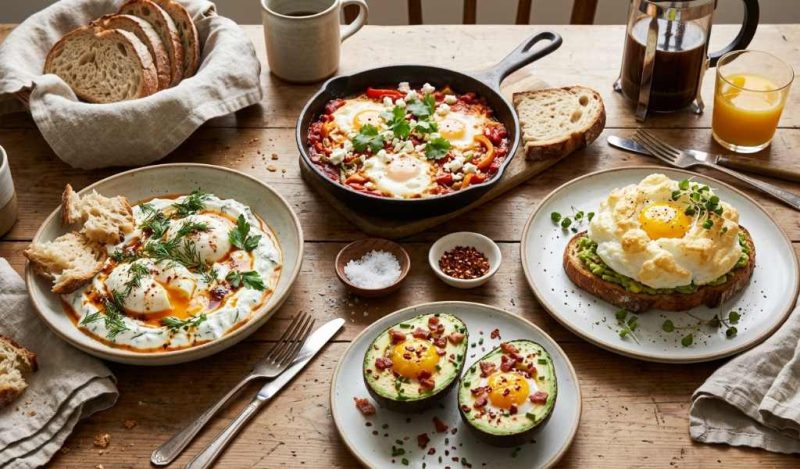
The most different breakfast ideas with eggs swap the usual pan entirely, think savory oatmeal, stuffed mushrooms, or whipped cloud eggs. Each one keeps the egg as the star while changing the base, the texture, or the method. None of these need special equipment, just a willingness to break from the standard scramble.
Most people cook eggs the same two or three ways on repeat, which eventually turns a versatile ingredient into a boring one. Breaking that pattern does not require a culinary degree or a long ingredient list. This guide covers three genuinely different breakfast ideas with eggs, along with flavor tricks that work on almost anything you already cook, so your rotation of broader breakfast ideas with eggs never feels stuck.
Why It Pays to Move Beyond Scrambled and Fried
Scrambled and fried eggs earn their popularity because they are fast and familiar. That same familiarity is exactly what makes breakfast feel like a chore after enough repetition. Once a meal feels predictable, people often reach for less nutritious, more convenient alternatives instead.
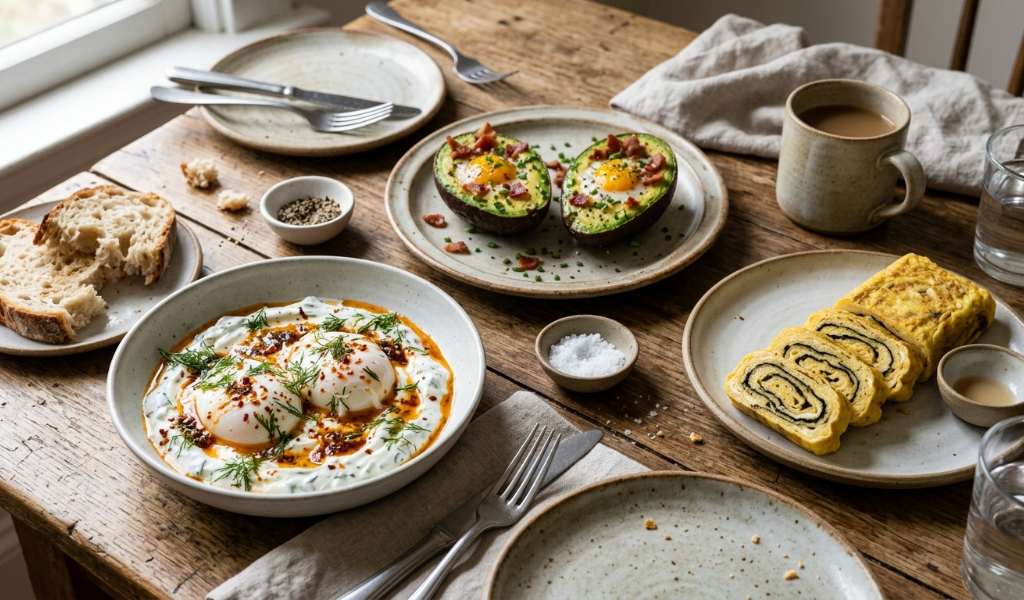
Trying a new technique resets that fatigue without demanding much extra time. Many of these dishes take the same five to ten minutes as a standard scramble. The difference comes from texture and presentation, not from added difficulty.
Variety also naturally pulls in more nutrients across the week. Swapping toast for mushrooms or oatmeal introduces fiber, different vitamins, and new flavors your usual rotation misses. A more varied plate tends to feel more satisfying, too, even at the same calorie count.
Recipe One: Savory Oatmeal With a Poached Egg
Oatmeal usually leans sweet, loaded with brown sugar and dried fruit, but a savory version changes the entire experience. Cook rolled oats in broth instead of water for a deeper, more savory base flavor. A pinch of salt and black pepper rounds out the taste before any toppings go on.
Top the finished oatmeal with a soft poached egg, letting the yolk break and run into the grains. A sprinkle of grated parmesan or a few sautéed greens adds extra richness and color. The combination feels closer to a creamy risotto than a bowl of plain oatmeal.
Poaching the egg takes about three minutes in gently simmering water with a splash of vinegar added. Cracking the egg into a small cup first, then sliding it into the water, keeps the white from scattering. This single habit is the difference between a neat poach and a stringy mess.
Flavor Variations Worth Trying
Swapping broth for miso dissolved in hot water creates an entirely different, umami forward base. Adding sliced scallions and a drizzle of sesame oil pushes the bowl toward a more Asian inspired flavor profile. Chili oil on top brings heat without overwhelming the other ingredients.
A Mediterranean version works just as well, built on oats cooked in vegetable broth with crumbled feta and chopped sun dried tomatoes. The poached egg still sits on top, tying every element together. Rotating between two or three versions keeps this dish from ever feeling repetitive.
Recipe Two: Egg Stuffed Portobello Mushrooms
Portobello caps make a surprisingly sturdy, low carb vessel for a baked egg. Remove the stem and gills first, creating a shallow bowl inside the cap. Brushing the inside lightly with olive oil and a pinch of salt builds flavor before baking even starts.
Crack one egg directly into the hollowed mushroom cap and bake at 375 degrees Fahrenheit for about 20 minutes. The mushroom releases some moisture as it cooks, which deepens its flavor around the egg. A scatter of fresh thyme or grated cheese on top finishes the dish without much extra effort.
This recipe works especially well for anyone cutting back on bread or toast at breakfast. The mushroom itself delivers a meaty, earthy backdrop that plain toast never quite matches. Serving two stuffed caps per person turns this into a filling, complete meal.
Why Portobellos Work So Well for Eggs
Portobello mushrooms hold their shape under heat far better than smaller varieties, which tend to collapse. Their wide, flat cap also creates enough surface area to fully contain a cracked egg without spilling. This structural stability is exactly why they appear so often in egg centered recipes.
Mushrooms also bring their own set of nutrients, including B vitamins and selenium, that eggs alone do not provide. Pairing the two creates a more nutritionally complete plate than either ingredient delivers on its own. That nutritional overlap is a quiet bonus most people never consider.
Recipe Three: Cloud Eggs
Cloud eggs turn a basic egg into something that looks far more elaborate than the effort required. Separate the egg whites from the yolks, keeping each yolk intact in its own small bowl. Whip the whites with a pinch of salt until they form stiff, glossy peaks that hold their shape.
Spoon the whipped whites onto a parchment lined baking sheet, shaping each mound into a small nest with a shallow well in the center. Bake at 450 degrees Fahrenheit for about three minutes, until the whites turn lightly golden. Slide one yolk into each well and bake for another two to three minutes, just until the yolk sets slightly on the edges.
The result looks like a small, airy cloud with a soft, glossy yolk centered inside. Serving it on toast lets the yolk run down into the bread once pierced. This dish works especially well for a weekend brunch where presentation matters as much as flavor.
Getting the Texture Right
Room temperature egg whites whip faster and hold a sturdier peak than cold ones straight from the fridge. A completely clean, grease free bowl also matters more than most people expect, since any residual fat prevents proper whipping. Even a small trace of yolk in the whites can stop them from reaching full volume.
Watching the bake time closely prevents the whites from drying out or browning too much. Three minutes is usually enough for the base, though oven strength varies slightly. Pulling the tray the moment the whites turn golden protects that soft, cloud like texture.
Flavor Profile Tips to Change Up Standard Eggs
Beyond full recipes, small flavor swaps can transform an everyday fried or scrambled egg almost instantly. A few reliable additions include:
-
Smoked paprika for warmth and color without added heat
-
Curry powder for a fast, fragrant shift toward South Asian flavors
-
Fresh herbs, like dill or chives, added at the very end for brightness
-
Chili crisp or hot honey for a sweet and spicy finishing touch
-
Everything bagel seasoning for texture and a savory, garlicky crunch
None of these require a trip to a specialty store, since most sit in a standard spice cabinet already. Rotating just one seasoning each week keeps a basic egg from ever tasting the same twice. This is often the lowest effort upgrade available to anyone bored with their current routine.
Final Thoughts
Breaking out of an egg rut rarely requires new equipment or exotic ingredients. Savory oatmeal, stuffed mushrooms, and cloud eggs all prove that a small shift in technique creates a genuinely different experience. Each dish still centers on the same humble egg that started your routine in the first place.
Pick one of these three recipes and commit to trying it within the next few days. Once your rotation includes even one of these, breakfast stops feeling like a repeat and starts feeling like a choice.
Frequently Asked Questions
What is a creative way to eat eggs for breakfast besides scrambled?
Poaching an egg over savory oatmeal or baking one inside a portobello mushroom cap both offer creative, low effort alternatives.
How do you make cloud eggs fluffy?
Whipping room temperature egg whites in a clean, grease free bowl until stiff peaks form creates the fluffiest cloud eggs.
Can you bake an egg inside a mushroom?
Yes, hollowing out a portobello cap and baking an egg inside it at 375 degrees Fahrenheit works well for about 20 minutes.
Is savory oatmeal with egg actually filling?
Yes, the combination of whole grain oats and a protein rich egg creates a filling, balanced breakfast that lasts through the morning.
What toppings work best on cloud eggs?
Everything bagel seasoning, chives, and a light drizzle of hot sauce all pair well with the mild flavor of cloud eggs.
