
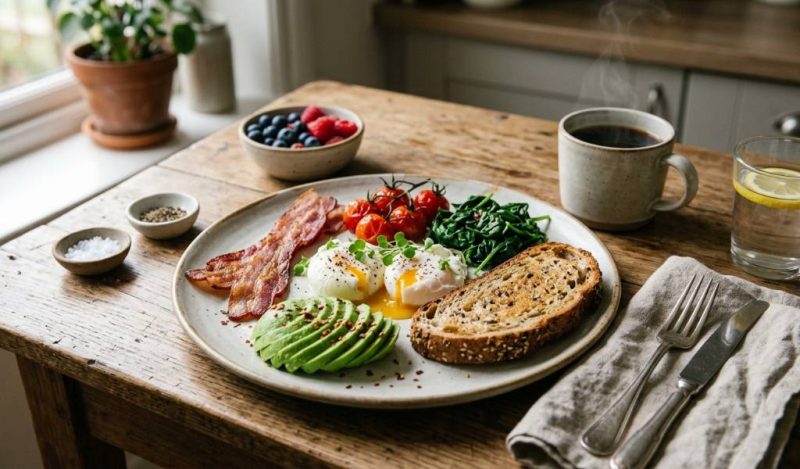
Yes, eggs and bacon can absolutely fit into a healthy breakfast when you choose leaner bacon and smarter cooking methods. Baking instead of frying cuts excess grease, while swapping in turkey or center cut bacon trims saturated fat significantly. Pairing both with vegetables rounds the plate into something genuinely balanced.
For decades, eggs and bacon carried a reputation as the breakfast you eat only on weekends. That reputation came more from the sides and the cooking method than from the ingredients themselves. This guide walks through the swaps, techniques, and recipes that turn this classic combination into a weekday staple, not an occasional treat, while fitting naturally into broader breakfast ideas with eggs.
How This Classic Combo Fits Into a Healthy Lifestyle
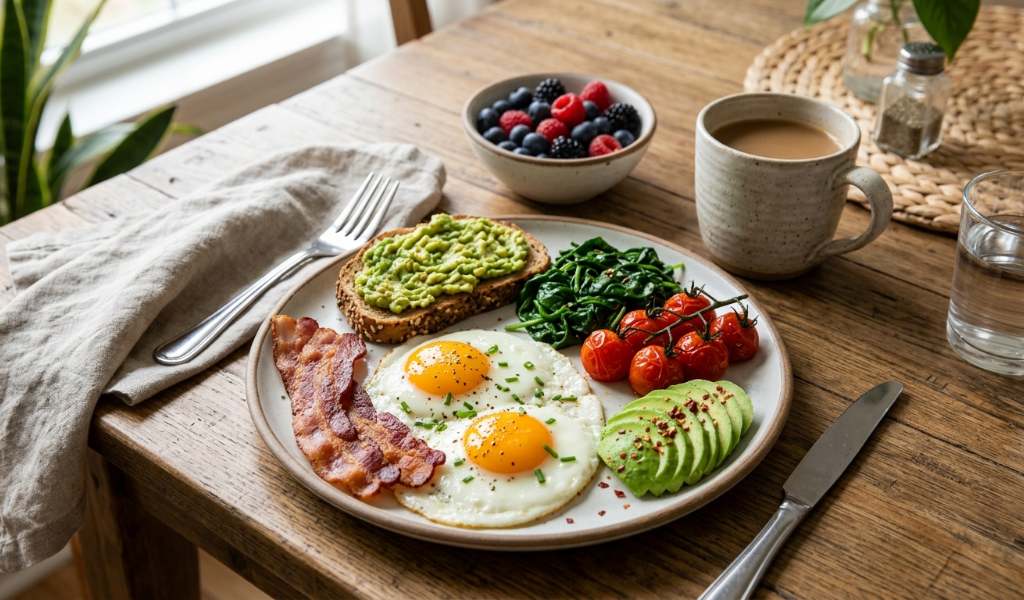
Eggs bring complete protein, choline, and several essential vitamins to the plate without much saturated fat on their own. Bacon brings flavor, texture, and a savory depth that few other proteins match. The real question is never whether to eat them together, but how to prepare them wisely.
Recent nutrition research has also softened the old fear around eggs specifically. Saturated fat, not dietary cholesterol, now carries most of the blame for raising harmful LDL cholesterol in healthy adults. That shifts attention toward the bacon and its cooking fat rather than the eggs sitting beside it.
Portion control still matters more than any single ingredient swap. Two eggs and two slices of bacon, alongside a vegetable or fruit side, keeps a plate balanced without feeling like a diet meal. Building the habit around consistency, not perfection, makes this combination sustainable long term.
Choosing the Right Bacon
Not all bacon carries the same nutritional weight, and the differences are larger than most people expect. Comparing cooked bacon per hundred grams tells the real story:
-
Turkey bacon runs about 368 calories, 26 grams of fat, and 7 grams of saturated fat.
-
Pork belly bacon runs about 548 calories, 43 grams of fat, and 14 grams of saturated fat.
-
Sodium stays high in both, so reading the label still matters regardless of type.
Turkey bacon cuts roughly a third of the calories and about half the saturated fat compared to traditional pork belly bacon. Center cut pork bacon offers a middle ground, trimming extra fat from the strip while keeping a familiar pork flavor. Nitrate free options reduce preservatives without changing the core nutrition profile much.
Reading Labels Beyond the Front of Package
Marketing terms like natural or uncured do not automatically mean lower sodium or fat. Flipping to the nutrition label remains the only reliable way to compare brands. Checking grams of saturated fat per serving, not just total fat, gives the clearest picture of heart health impact.
Thicker cut bacon often looks indulgent but can actually contain less fat per slice than thin, heavily marbled cuts. Weighing a few brands side by side at the store, when possible, helps build a habit of informed choices. Over time, this small effort adds up to meaningfully lower saturated fat intake.
Recipe One: Baked Egg and Bacon Cups With Spinach
Baking replaces the splattering pan entirely while cutting down on added grease. Line a greased muffin tin with a strip of partially cooked turkey bacon, forming a ring inside each cup. Crack one egg into each bacon lined cup and scatter in a small handful of chopped spinach.
Bake at 350 degrees Fahrenheit for about 15 to 18 minutes, until the whites fully set. The bacon crisps slightly while the egg stays tender in the center. This recipe also scales easily, since a full tray makes enough cups for several days of breakfast.
Letting the cups cool before storing keeps them from steaming inside their container. Reheating one or two in the microwave the next morning takes less than a minute. This single recipe often becomes the backbone of an entire week’s breakfast routine.
Recipe Two: Crustless Quiche With Lean Bacon and Vegetables
A traditional quiche crust adds butter, refined flour, and extra calories that contribute little nutritionally. Skipping the crust entirely still delivers the same creamy, savory custard texture. Whisk eggs with a splash of milk, then fold in crumbled turkey bacon, diced bell pepper, and shredded spinach.
Pour the mixture into a greased pie dish and bake at 375 degrees Fahrenheit for about 30 minutes. The center should feel set but still slightly tender when you check it. Letting the quiche rest for ten minutes before slicing keeps each piece intact.
This dish reheats beautifully throughout the week, making it a genuine meal prep workhorse. Swapping in different vegetables, like mushrooms or zucchini, keeps the base recipe from feeling repetitive. A crustless quiche also works well for feeding a small family breakfast without extra dishes.
Recipe Three: One Pan Sweet Potato, Egg, and Bacon Hash
Sweet potatoes bring fiber and natural sweetness that pairs surprisingly well with smoky bacon. Dice the sweet potato small so it cooks through quickly alongside everything else. Crisp a few pieces of chopped turkey bacon in a skillet first, then set them aside.
Cook the diced sweet potato in that same skillet, using the rendered fat sparingly for flavor. Once the potato turns tender and slightly golden, return the bacon to the pan and crack in two or three eggs directly on top. Covering the pan briefly helps the eggs set without needing to flip anything.
This hash works as a true one pan meal with minimal cleanup afterward. Adding diced bell pepper or onion during the potato stage builds even more flavor and nutrition. It also reheats well, making it another strong option for a prepped weekday breakfast.
Portion Control and Macronutrient Tips
Balancing this combination comes down to thinking in proportions rather than restriction. A useful target for most adults looks roughly like this on one plate:
-
Two eggs for complete protein and essential vitamins
-
Two slices of lean bacon for flavor and additional protein
-
A fist sized portion of vegetables or fruit for fiber and micronutrients
-
A modest serving of whole grain toast or sweet potato for sustained energy
Spacing bacon out to three or four mornings a week, rather than daily, keeps sodium and saturated fat intake in a reasonable range. Filling the rest of the plate with color, through peppers, spinach, or berries, naturally balances the richer parts of the meal. This approach avoids the all or nothing thinking that often derails healthy eating habits.
Hydration and timing matter too, even though they get less attention. Drinking water alongside a sodium heavy breakfast helps offset some of the bloating that bacon can cause. Eating slowly also gives your body time to register fullness, which curbs the urge to overeat later.
Final Thoughts
Eggs and bacon deserve a spot in a genuinely healthy breakfast rotation, not just an occasional indulgence. The difference comes down to ingredient choices, cooking methods, and portion awareness rather than cutting out flavor entirely. Baked cups, crustless quiche, and sweet potato hash all prove that point clearly.
Pick one of these three recipes and add it to your meal prep this week. Once you see how easily it fits into a balanced plate, this classic pairing earns its place back at your weekday table.
Frequently Asked Questions
Is bacon and eggs a healthy breakfast?
Yes, eggs and bacon can be a healthy breakfast when you choose leaner bacon, control portions, and add vegetables.
Is turkey bacon actually healthier than regular bacon?
Yes, turkey bacon typically contains about a third fewer calories and roughly half the saturated fat of pork belly bacon.
How many eggs and bacon slices should I eat for breakfast?
Two eggs and two slices of lean bacon, alongside vegetables, makes a balanced breakfast for most healthy adults.
Does baking bacon make it healthier than frying it?
Yes, baking lets excess fat drip away from the bacon, reducing the grease that ends up on your plate.
Can I eat eggs and bacon every day and stay healthy?
Most people can eat eggs daily, but spacing bacon to three or four days a week helps manage sodium and saturated fat.
