

Have you ever dreamed of crafting your own wine at home without needing a vineyard or expensive equipment? With frozen grape concentrate, you can create a delicious, homemade wine that rivals store-bought bottles. This beginner-friendly frozen grape concentrate wine recipe is perfect for anyone looking to dip their toes into winemaking. In this comprehensive guide, we’ll walk you through every step of the process, from choosing the right concentrate to bottling your creation, while answering common questions and sharing expert tips to ensure success.
Why Choose Frozen Grape Concentrate for Winemaking?
Frozen grape concentrate is a game-changer for home winemakers. Unlike fresh grapes, which require crushing and pressing, frozen concentrate is pre-processed, saving time and effort. It’s made from high-quality grapes, frozen at peak ripeness to preserve flavor, and is widely available online or at brewing supply stores. This makes it an ideal choice for beginners or those without access to fresh vineyards.
Using frozen grape concentrate also ensures consistency. The concentrate is balanced for sugar and acidity, reducing the guesswork in achieving a well-rounded wine. Whether you’re aiming for a bold red or a crisp white, this method is versatile and budget-friendly, allowing you to experiment with different grape varieties like Cabernet Sauvignon, Merlot, or Chardonnay.
What You’ll Need to Make Wine from Frozen Grape Concentrate
Before diving into the recipe, gather these essential tools and ingredients. Most are affordable and easy to find at homebrew shops or online.
Equipment
- Primary fermenter: A food-grade plastic bucket or carboy (5-6 gallons).
- Airlock and stopper: To allow gas to escape during fermentation without letting air in.
- Hydrometer: To measure sugar levels and alcohol content.
- Siphoning tube: For transferring wine between containers.
- Sanitizing solution: To keep equipment sterile and prevent contamination.
- Bottles and corks: For storing your finished wine.
- Stirring spoon or paddle: Long enough to reach the bottom of your fermenter.
Ingredients
- Frozen grape concentrate: 1 can (typically 46 oz) for a 1-gallon batch.
- Water: Filtered or spring water, about 3-4 liters per gallon of wine.
- Wine yeast: Choose a strain like Lalvin EC-1118 for reliable fermentation.
- Yeast nutrient: To support healthy yeast activity.
- Sugar (optional): For adjusting sweetness or boosting alcohol content.
- Campden tablets (optional): To stabilize and prevent oxidation.
- Pectic enzyme (optional): To clarify the wine.
Pro Tip: Always check the concentrate’s label for specific instructions, as some brands may have slightly different sugar or water ratios.
Step-by-Step Frozen Grape Concentrate Wine Recipe
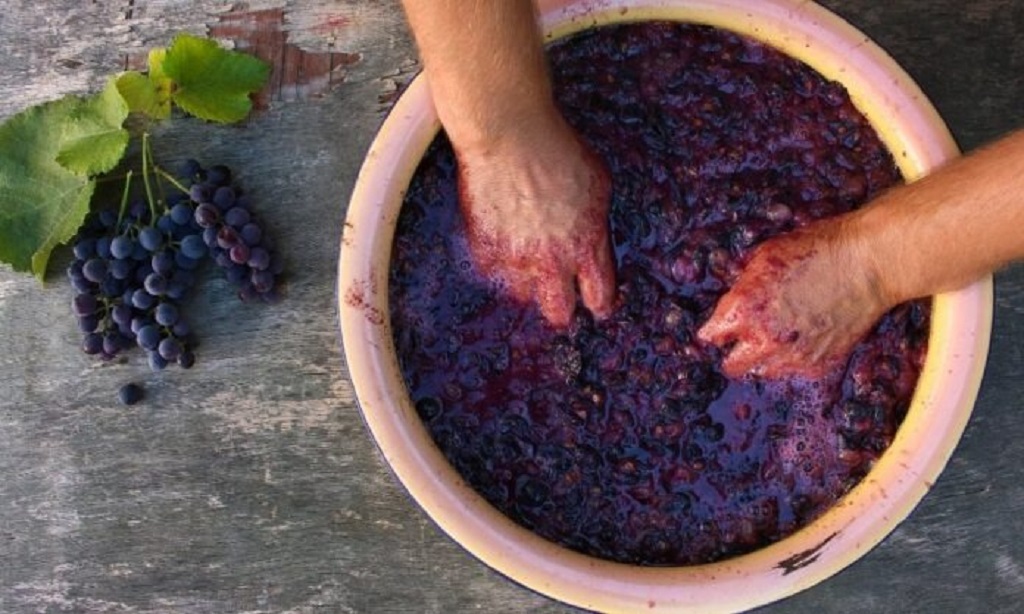
Follow these steps to create a delicious homemade wine. This recipe is designed for a 1-gallon batch, but you can scale it up by doubling or tripling the ingredients.
Step 1: Sanitize Everything
Sanitation is critical in winemaking to prevent unwanted bacteria or wild yeast from spoiling your batch. Mix a sanitizing solution (like Star San) according to the instructions and thoroughly clean all equipment, including the fermenter, airlock, and stirring spoon. Rinse well if required, and let air dry.
Step 2: Prepare the Must
The “must” is the mixture of grape concentrate, water, and other ingredients before fermentation. In your sanitized fermenter, combine:
- 1 can of frozen grape concentrate (thawed).
- 3-4 liters of filtered water (adjust based on concentrate instructions).
- Optional: 1 crushed Campden tablet to kill wild yeast and bacteria. Wait 24 hours before adding wine yeast if using Campden tablets.
Stir the mixture thoroughly to blend the concentrate and water. Use a hydrometer to measure the specific gravity (SG), which should be around 1.080-1.100 for a balanced wine. If the SG is too low, add a small amount of sugar (dissolved in warm water) to reach the desired level.
Step 3: Add Yeast and Nutrients
Sprinkle the wine yeast over the must according to the package instructions. For a 1-gallon batch, 1 packet of Lalvin EC-1118 is typically sufficient. Add 1 teaspoon of yeast nutrient to ensure the yeast has enough nutrients to ferment effectively. Stir gently, cover the fermenter, and attach the airlock.
Step 4: Primary Fermentation
Place the fermenter in a cool, dark place (60-75°F or 15-24°C). Fermentation should begin within 24-48 hours, indicated by bubbling in the airlock. Stir the must daily to aerate and mix the yeast. Primary fermentation typically lasts 5-7 days, or until the specific gravity drops to around 1.010-1.020.
Step 5: Secondary Fermentation
Once primary fermentation slows, siphon the wine into a sanitized glass carboy or secondary fermenter, leaving behind the sediment (lees). Attach the airlock and let the wine ferment for another 2-4 weeks. Check the specific gravity periodically; fermentation is complete when the SG stabilizes below 1.000 (usually 0.990-0.998).
Step 6: Clarify and Stabilize
After fermentation, the wine may appear cloudy. Add a pectic enzyme (follow package instructions) to help clarify it, or let it sit for an additional 2-4 weeks to clear naturally. If you want to prevent further fermentation or oxidation, add 1 crushed Campden tablet per gallon and wait 24 hours.
Step 7: Bottle Your Wine
Siphon the clarified wine into sanitized bottles, leaving about 1 inch of headspace. Cork or cap the bottles securely. For best results, let the wine age in the bottles for at least 3-6 months to develop its flavors. Reds may benefit from longer aging (6-12 months), while whites can be enjoyed sooner.
Tips for Success
- Experiment with flavors: Try different grape concentrates, like Zinfandel or Sauvignon Blanc, to find your favorite.
- Monitor temperature: Too hot or too cold can stress the yeast, affecting fermentation.
- Taste as you go: Sample the wine during secondary fermentation to adjust sweetness or acidity if needed.
- Patience is key: Aging improves flavor, so resist the urge to drink your wine too soon.
Common Mistakes to Avoid
- Skipping sanitation: Even a small amount of contamination can ruin your wine.
- Over-sweetening: Add sugar gradually and measure with a hydrometer to avoid overly sweet wine.
- Rushing the process: Fermentation and aging take time for the best results.
FAQs About Making Wine from Frozen Grape Concentrate
Can I use any type of frozen grape concentrate?
Yes, but choose concentrates specifically labeled for winemaking, as they’re formulated with the right sugar and acid levels. Avoid juice concentrates with additives like preservatives or artificial flavors.
How long does it take to make wine from frozen grape concentrate?
From start to bottling, the process takes about 4-8 weeks, depending on fermentation time. Aging can take an additional 3-12 months for optimal flavor.
Do I need to add sugar to the recipe?
It depends on the concentrate and desired alcohol content. Check the specific gravity with a hydrometer and adjust if needed. Some concentrates are pre-balanced and don’t require extra sugar.
Can I make sparkling wine with frozen grape concentrate?
Yes! To make sparkling wine, add a small amount of sugar (priming sugar) before bottling to encourage secondary fermentation in the bottle, creating bubbles. Use bottles designed for carbonation to avoid explosions.
How do I store my homemade wine?
Store bottles in a cool, dark place (50-60°F or 10-15°C) to preserve flavor and prevent spoilage. Lay bottles on their side to keep corks moist.
Why Homemade Wine is Worth the Effort
Making wine from frozen grape concentrate is not only cost-effective but also incredibly rewarding. You get to customize flavors, experiment with different grape varieties, and share your unique creations with friends and family. Plus, it’s a fun way to learn about the science and art of winemaking without needing a full vineyard setup.
Read More Also: From Freezer to Fabulous: 10+ Game-Changing Dinners with Frozen Diced Carrots
Call to Action
Ready to start your winemaking journey? Grab a can of frozen grape concentrate and try this recipe today! Share your experience in the comments below, or let us know your favorite grape varieties for winemaking. If you found this guide helpful, subscribe to our blog for more homebrewing tips and recipes, and share this article with fellow wine enthusiasts!
