
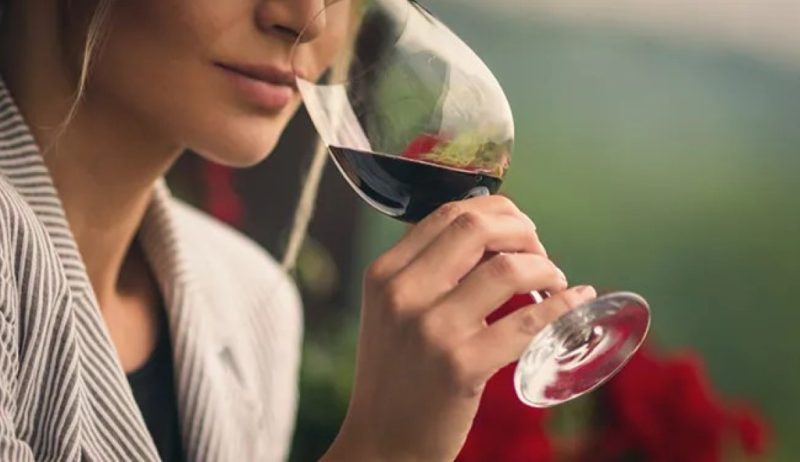
The first time I swirled a glass of wine at a vineyard tasting, I felt like an impostor. The sommelier spoke of “bouquets” and “tannins,” while I just smelled… wine. But with guidance, I learned that tasting wine like a pro is a skill anyone can develop. It’s about engaging your senses, understanding the process, and savoring the experience. Whether you’re a beginner or a seasoned enthusiast, mastering wine tasting opens a world of flavors and stories in every glass. This guide will walk you through how to taste wine like a sommelier, using techniques that blend science and art to elevate your appreciation.
Why Wine Tasting Is an Art and Science
Wine tasting is more than drinking; it’s a sensory journey. Sommeliers train for years to decode a wine’s story through sight, smell, and taste. This process combines science—understanding chemical compounds like esters—and art, interpreting flavors poetically. According to a 2021 study by the Wine & Spirit Education Trust, 80% of a wine’s flavor comes from its aroma, making smell the cornerstone of tasting.
Start by observing the wine’s color and clarity, which hint at its age and grape variety. Then, swirl to release aromas, sniff deeply, and sip thoughtfully. Each step builds a deeper connection to the wine. My first lesson at a Napa Valley winery taught me patience—rushing skips the nuances. With practice, you’ll uncover layers of flavor that make every glass unforgettable.
Step 1: Look at the Wine’s Appearance
The first step in tasting wine like a sommelier is to examine its appearance. Hold your glass against a white background to assess color, clarity, and viscosity. A wine’s hue can reveal its age—young reds are vibrant purple, while older ones turn brick-red. Whites range from pale straw to deep gold. According to a 2020 study by the University of Bordeaux, color intensity often correlates with a wine’s body and alcohol content.
Notice the “legs” or streaks on the glass after swirling. Thick, slow-moving legs suggest higher alcohol or sugar content. My early tastings felt awkward, tilting glasses clumsily, but I soon realized these visual clues set expectations for flavor. Is the wine clear or cloudy? Bright or dull? These observations guide you toward understanding its character before the first sip.
Step 2: Swirl to Unlock Aromas
Swirling is where the magic begins. Gently rotate the glass to aerate the wine, releasing its bouquet of aromas. This action mixes oxygen with volatile compounds, amplifying scents. A 2019 study from the Journal of Agricultural and Food Chemistry found that swirling increases aroma intensity by up to 30%. Hold the stem to avoid warming the bowl, and practice smooth, circular motions.
At a Tuscany tasting, I watched a sommelier swirl with such grace it seemed choreographed. Initially, my swirls spilled wine, but practice made it second nature. After swirling, bring the glass to your nose. Inhale deeply to detect primary aromas (fruit, floral), secondary notes (oak, yeast), and tertiary hints (earth, leather). This step prepares your palate for what’s to come.
Tips for Effective Swirling
- Use the stem: Keep fingers off the bowl to maintain wine temperature.
- Gentle circles: Avoid vigorous shaking to prevent spills.
- Practice on a flat surface: Rest the glass base on a table to learn the motion.
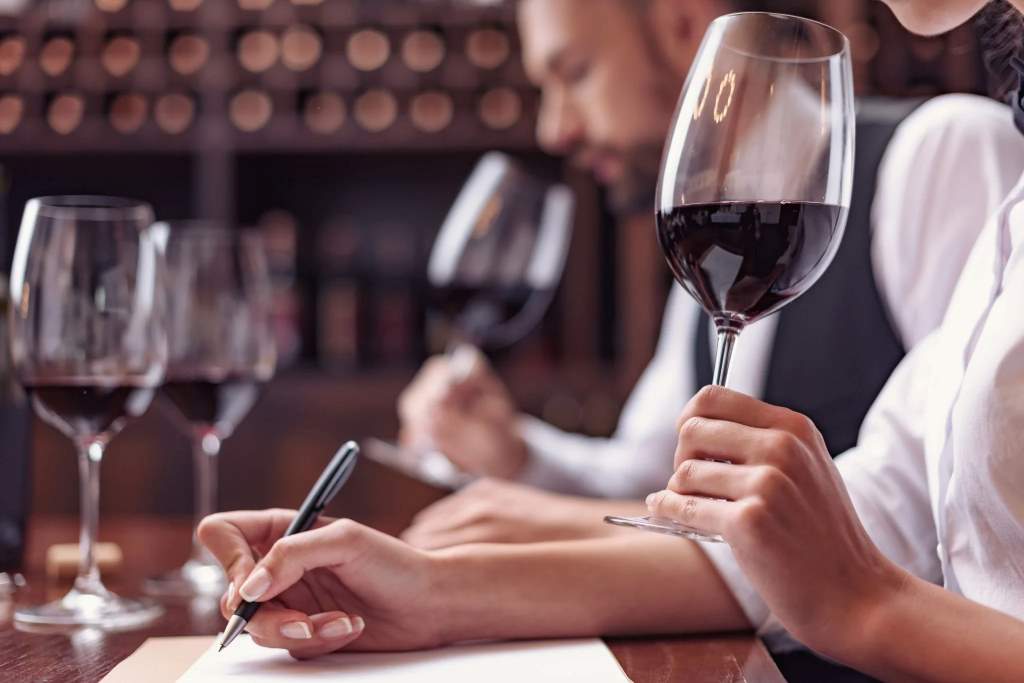
Step 3: Sniff and Identify the Bouquet
The nose is your most powerful tool in wine tasting. Sommeliers rely on smell to identify up to 80% of a wine’s character, as aroma shapes flavor perception. After swirling, take short, deliberate sniffs to catalog scents. Are there fruits like berries or citrus? Herbal notes like mint? Or oak-driven vanilla? Each scent tells a story about the grape, region, or aging process.
My first attempt at sniffing felt overwhelming—everything smelled like “wine.” But a mentor advised me to focus on one scent at a time, like picking out cherries or spice. Over time, I could distinguish subtle notes, like lavender in a Provence rosé. Train your nose by comparing wines side by side, noting differences.
Step 4: Sip and Savor the Flavors
Now comes the moment of truth: tasting the wine. Take a small sip and let it roll over your tongue before swallowing. This engages all taste buds, revealing sweetness, acidity, tannins, and body. Sommeliers often “chew” the wine or slurp air through it to enhance flavors. A 2022 study by the American Journal of Enology and Viticulture noted that aeration during sipping boosts flavor intensity by 15%.
Focus on balance. Is the wine crisp or soft? Are tannins smooth or astringent? At a Bordeaux tasting, I learned to savor slowly, letting flavors unfold. A Cabernet’s bold blackberry and pepper notes lingered, teaching me patience. Identify the finish—how long flavors last after swallowing. A long, pleasant finish often marks a high-quality wine.
Key Tasting Elements to Notice
- Acidity: Does it feel crisp or flat?
- Tannins: Are they smooth or grippy?
- Body: Is it light, medium, or full?
- Finish: How long do flavors linger?
Step 5: Reflect and Describe Your Experience
After tasting, pause to reflect. Sommeliers articulate what they’ve experienced, tying together appearance, aroma, and taste. Ask yourself: What stood out? Was the wine fruity, earthy, or spicy? Did it evoke a memory or place? This step builds confidence in describing wines, a hallmark of expertise. Practice using vivid yet simple language, like “juicy plum” or “toasted oak.”
My first tasting notes were vague—“nice” or “strong.” But after attending a sommelier-led session, I started jotting down specific descriptors, like “green apple” for a Sauvignon Blanc. Share your notes with friends or a tasting group to refine your palate. The more you describe, the better you’ll understand your preferences and spot patterns across wines. Explore Frozen Grape Concentrate Wine Recipe.
Common Mistakes to Avoid in Wine Tasting
Even seasoned tasters make errors that dull the experience. One common mistake is holding the glass by the bowl, warming the wine and smudging the glass. Another is rushing through steps, missing subtle flavors. I once gulped a Pinot Noir too quickly, missing its delicate cherry notes. Take your time to savor each stage.
Overloading your palate with strong foods before tasting can also skew perceptions. Avoid coffee or spicy snacks beforehand. Additionally, don’t let fancy terms intimidate you. Sommeliers use jargon, but simple descriptors work just as well. Finally, don’t judge a wine by its price—some budget bottles outperform expensive ones. Experiment with different styles to find what you love.
How to Build Your Wine Tasting Skills
Mastering wine tasting takes practice, but it’s rewarding. Start with a variety of wines—red, white, rosé, and sparkling—to train your senses. Host a tasting party with friends, comparing notes to deepen your understanding.
Keep a tasting journal to track flavors and preferences. At a local wine club, I discovered that regular practice sharpened my ability to spot differences between regions, like Tuscany versus Bordeaux. Taste mindfully, and don’t fear mistakes—they’re part of the journey. Over time, you’ll taste with the confidence of a sommelier, uncovering stories in every sip.
Conclusion
Tasting wine like a sommelier is about curiosity and practice, not perfection. Each glass offers a chance to explore flavors, from vibrant fruit to earthy depth. By looking, swirling, sniffing, sipping, and reflecting, you’ll unlock a richer experience. My journey from novice to confident taster taught me that wine is a story of place, craft, and moment. Embrace the process, experiment with new varieties, and share your discoveries. What’s your favorite wine memory? Leave a comment below or share this article with fellow wine lovers to spark a conversation!
FAQs
What is the best way to start tasting wine like a sommelier?
Begin by observing the wine’s color, swirling to release aromas, sniffing deeply, and sipping slowly to savor flavors. Practice regularly with different wines.
How do I improve my sense of smell for wine tasting?
Train your nose by sniffing everyday items like fruits or spices. Use a wine aroma wheel to identify scents and compare wines side by side.
Why do sommeliers swirl the wine?
Swirling aerates the wine, releasing aromas. It enhances scent intensity, helping you detect fruit, floral, or earthy notes before tasting.
Can I taste wine like a pro without expensive bottles?
Yes, affordable wines can be complex and enjoyable. Focus on technique—look, swirl, sniff, sip—and practice with a variety of styles.
How long should I spend tasting a single wine?
Take 2–3 minutes per wine to observe, swirl, sniff, sip, and reflect. Rushing misses nuances, so savor each step mindfully.
