
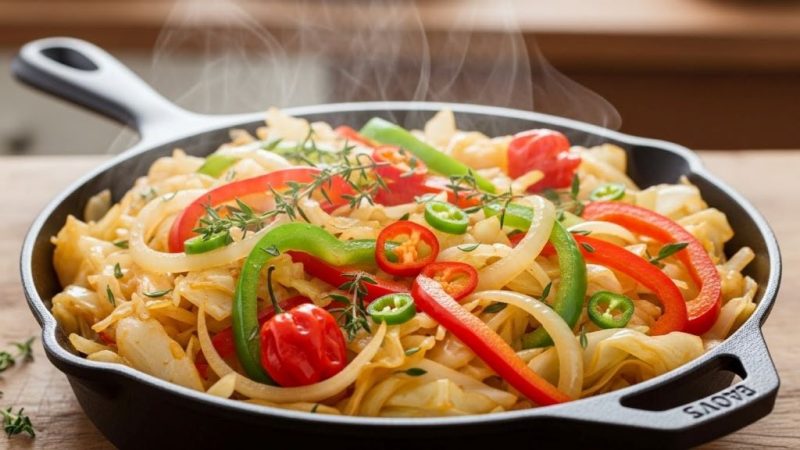
Jamaican cabbage is a beloved side dish that brings warmth and flavor to any meal. This traditional recipe showcases the island’s rich culinary heritage through simple ingredients and time-honored cooking methods. Moreover, it represents the essence of Caribbean home cooking, where everyday vegetables transform into something extraordinary.
What Makes Jamaican Cabbage Special
Jamaican cabbage differs significantly from standard boiled or steamed cabbage dishes. The preparation involves sautéing the vegetable with aromatic seasonings and peppers. Additionally, the cooking technique ensures the cabbage retains a slight crunch while absorbing vibrant flavors.
This dish holds a special place in Jamaican households. Families have passed down their versions through generations, with each cook adding their personal touch. Furthermore, the recipe reflects the island’s history of using available ingredients to create satisfying meals.
The simplicity of Jamaican cabbage makes it accessible to cooks of all skill levels. However, achieving the perfect balance of texture and flavor requires attention to detail. The result is a side dish that complements rice and peas, jerk chicken, or fried fish beautifully.
Essential Ingredients for Authentic Flavor
The foundation of traditional Jamaican cabbage starts with fresh green cabbage. You will need one medium head, which serves four to six people generously. Choose cabbage with crisp, tightly packed leaves for the best texture.
Aromatic vegetables form the flavor base of this dish. Therefore, gather one medium onion, three cloves of garlic, and one bell pepper. Many cooks prefer using a mix of red and green peppers for visual appeal and depth of flavor.
Scotch bonnet pepper gives Jamaican cabbage its characteristic heat. However, you can adjust the amount based on your spice tolerance. Additionally, some cooks remove the seeds to reduce intensity while maintaining flavor.
Seasoning ingredients include scallions, fresh thyme, salt, and black pepper. These elements work together to create the distinctive taste profile. Moreover, vegetable oil or coconut oil serves as the cooking fat, with coconut oil adding subtle tropical notes.
Step-by-Step Cooking Instructions
Begin by preparing your vegetables properly. Wash the cabbage thoroughly and remove any damaged outer leaves. Next, cut the head into quarters and remove the core. Slice the cabbage into thin strips, approximately one-quarter inch wide.
Dice the onion finely and mince the garlic cloves. Chop the bell pepper into small pieces, removing seeds and membranes. Furthermore, slice the scallions, separating the white and green parts for staged cooking.
Heat two tablespoons of oil in a large skillet or Dutch oven over medium-high heat. The pan should be large enough to accommodate the cabbage comfortably. Once the oil shimmers, add the onion and white parts of the scallions.
Sauté the aromatics for two to three minutes until they soften and become fragrant. Then, add the minced garlic and bell pepper. Continue cooking for another minute, stirring frequently to prevent burning.
Add the sliced cabbage to the pan in batches if necessary. The cabbage will seem voluminous initially but wilts quickly. Therefore, stir continuously to coat the cabbage with the aromatic mixture.
Season the dish with salt, black pepper, and fresh thyme leaves. If using Scotch bonnet pepper, add it now. However, keep the pepper whole if you want milder heat that you can remove later.
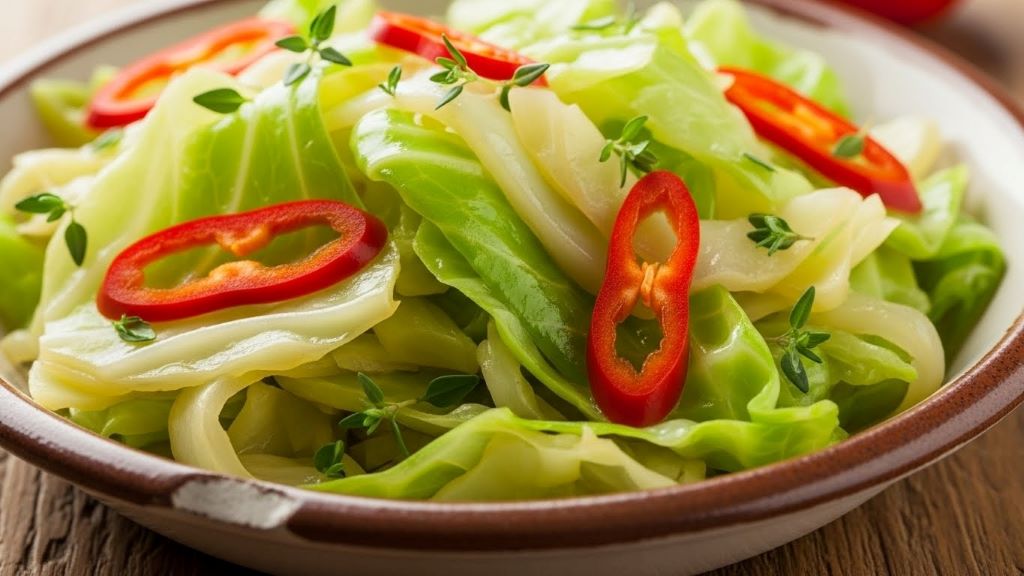
Cook the cabbage for eight to ten minutes, stirring occasionally. The goal is tender-crisp cabbage that maintains some texture. Additionally, the edges should develop slight caramelization for added flavor depth.
Finish the dish by adding the green parts of the scallions during the last two minutes of cooking. This technique preserves their bright color and fresh flavor. Taste and adjust seasoning as needed before serving.
Traditional Serving Suggestions
Jamaican cabbage pairs wonderfully with classic island dishes. Serve it alongside rice and peas, which provides a perfect textural contrast. The creamy coconut rice complements the slight crunch of the cabbage beautifully.
This side dish also accompanies protein-rich main courses excellently. Consider pairing it with jerk chicken, curry goat, or brown stew fish. Furthermore, it balances the richness of these heavily seasoned meats.
For a vegetarian meal, serve Jamaican cabbage with fried plantains and callaloo. This combination offers diverse flavors and textures on one plate. Additionally, it provides a nutritious and satisfying meal option.
Many Jamaican families enjoy this cabbage as part of Sunday dinner spreads. The dish holds up well on buffet tables and tastes delicious at room temperature. Therefore, it works perfectly for gatherings and potluck events.
Health Benefits and Nutritional Value
Cabbage offers impressive nutritional benefits that make this dish healthy and delicious. The vegetable contains high amounts of vitamin C, vitamin K, and fiber. Moreover, it provides these nutrients with minimal calories.
The cooking method preserves many of the cabbage’s beneficial compounds. Quick sautéing maintains more nutrients compared to prolonged boiling. Additionally, the healthy fats from cooking oil aid in nutrient absorption.
Garlic and onions contribute additional health-promoting properties to the dish. These aromatics contain compounds that support immune function and cardiovascular health. Furthermore, they add flavor without requiring excessive salt.
Scotch bonnet peppers contain capsaicin, which offers metabolism-boosting properties. However, the peppers also provide vitamin C and antioxidants. The combination makes Jamaican cabbage both flavorful and nutritious.
According to BBC Good Food, cabbage ranks among the most nutrient-dense vegetables available. The publication highlights its role in supporting digestive health and reducing inflammation.
Variations and Modern Adaptations
Traditional recipes evolve over time as cooks experiment with new ingredients. Some modern versions include shredded carrots for added color and sweetness. Others incorporate small amounts of coconut milk for richness.
Vegan and vegetarian cooks appreciate Jamaican cabbage for its plant-based nature. The dish requires no modifications to suit these dietary preferences. Additionally, it provides satisfying flavor without animal products.
Health-conscious variations might reduce oil slightly or use spray oil alternatives. Some cooks add extra vegetables like tomatoes or corn for nutritional variety. However, purists argue these modifications stray from authentic preparation.
Regional variations exist throughout Jamaica and the Caribbean islands. Coastal areas might add a splash of lime juice for brightness. Meanwhile, rural communities often include garden-fresh herbs beyond thyme.
Tips for Perfect Results Every Time
Avoid overcooking the cabbage, which leads to mushy texture and sulfurous odors. The vegetable should remain slightly crisp with vibrant color. Therefore, watch the cooking time carefully and test for doneness frequently.
Use high heat to achieve proper caramelization on the cabbage edges. This technique adds depth and complexity to the finished dish. However, stir regularly to prevent burning the aromatics.
Fresh thyme makes a noticeable difference compared to dried versions. The herb’s aromatic oils infuse the cabbage beautifully when fresh. Additionally, fresh thyme provides better visual appeal in the finished dish.
Season gradually and taste throughout the cooking process. Salt levels vary based on individual preferences and dietary needs. Furthermore, you can always add more seasoning but cannot remove excess.
Prepare all ingredients before starting to cook, following proper mise en place principles. This organization ensures smooth cooking without scrambling for items mid-preparation. Moreover, it prevents overcooking while you chop additional vegetables.
Storing and Reheating Guidelines
Jamaican cabbage stores well in the refrigerator for up to four days. Transfer cooled cabbage to an airtight container before refrigerating. The dish maintains its flavor profile when properly stored.
Reheat the cabbage gently on the stovetop over medium-low heat. Add a small splash of water if the mixture seems dry. Additionally, stir frequently to ensure even heating throughout.
Avoid microwaving if possible, as it can create uneven heating and texture changes. However, if using a microwave, heat in short intervals with stirring between. This method helps maintain better texture consistency.
Freezing is not recommended for this dish because cabbage releases water when thawed. The resulting texture becomes unpleasantly soft and watery. Therefore, prepare only the amount you plan to consume within several days.
Conclusion
Jamaican cabbage represents the heart of Caribbean home cooking through its simplicity and flavor. This traditional side dish transforms humble ingredients into something memorable and satisfying. The recipe’s accessibility makes it perfect for both novice and experienced cooks.
The combination of aromatic vegetables, fresh herbs, and proper technique creates exceptional results. Additionally, the dish offers nutritional benefits alongside its delicious taste. Whether serving it at family dinners or special gatherings, Jamaican cabbage brings authentic island flavor to your table.
This recipe connects us to generations of Caribbean cooks who perfected these methods. Their wisdom lives on in every perfectly seasoned, tender-crisp bite. Therefore, embrace this traditional dish and make it part of your own cooking repertoire.
Frequently Asked Questions
Can I use red cabbage instead of green cabbage?
Yes, you can use red cabbage for this recipe. However, the cooking time may need slight adjustment as red cabbage tends to be slightly tougher. Additionally, the finished dish will have a beautiful purple color that adds visual interest to your plate.
How spicy is Jamaican cabbage with Scotch bonnet pepper?
The spice level depends on how you use the pepper. Keeping it whole and removing it before serving provides mild heat and flavor. Alternatively, chopping the pepper creates significantly more heat throughout the dish. Start with less and adjust according to your preference.
Can I make Jamaican cabbage ahead of time?
Absolutely, this dish reheats well and often tastes even better the next day. The flavors meld together as the cabbage sits, creating deeper taste. Prepare it up to two days in advance and reheat gently before serving.
What can I substitute for Scotch bonnet pepper?
Habanero peppers provide similar heat levels and work as direct substitutes. For milder options, use jalapeño or serrano peppers instead. Furthermore, cayenne pepper or red pepper flakes offer convenient dried alternatives.
Is Jamaican cabbage suitable for meal prep?
Yes, this recipe works excellently for meal preparation plans. Portion the cooked cabbage into individual containers alongside your protein and carbohydrate choices. The dish maintains quality throughout the week when properly refrigerated.
Related Topics:
Irresistible Dessert Bread Recipes to Satisfy Your Sweet Tooth
Food Trends 2025: What’s Hot, What’s Not, and What’s Next!
