
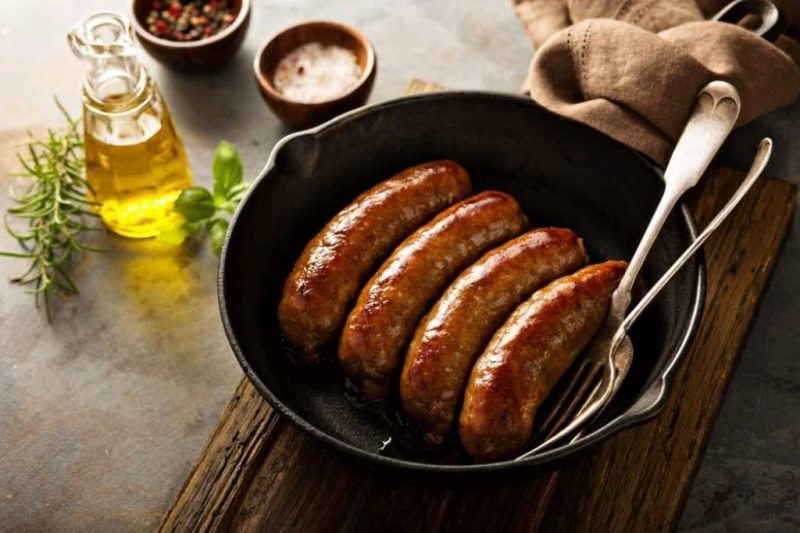
Italian sausage, with its rich blend of herbs and spices, is a versatile ingredient that elevates any dish. Whether you’re preparing a hearty pasta, a cozy soup, or a simple sandwich, knowing how to cook Italian sausage perfectly is key to unlocking its bold flavors. This guide will educate you on selecting quality sausage, demonstrate foolproof cooking methods, and fascinate you with tips to enhance your culinary creations. From stovetop searing to oven baking, we’ll cover techniques to ensure juicy, flavorful results every time. Let’s dive into the art of cooking Italian sausage and inspire your next meal!
Understanding Italian Sausage: Types and Flavors
Italian sausage is a pork-based meat seasoned with fennel, garlic, and other spices, offering a robust taste. It comes in two main types: sweet, with milder flavors, and hot, featuring spicy red pepper flakes. You can find it as links, patties, or bulk ground meat. According to the USDA, pork sausages must be cooked to an internal temperature of 160°F for safety. Choosing high-quality sausage from a trusted butcher or brand ensures better texture and taste.
My first attempt at cooking Italian sausage was for a family pasta night. I chose sweet links, intrigued by their fennel aroma. The key is reading labels for minimal additives, ensuring authentic flavor. Fresh sausage, often sold raw, requires proper cooking, while pre-cooked options need only reheating. Understanding these differences helps you pick the right type for your dish, whether a spicy marinara or a mild breakfast scramble.
Selecting the Best Italian Sausage for Cooking
Quality matters when selecting Italian sausage. Look for fresh, well-marbled pork with a balanced fat content (around 20–30%) for juiciness. Check for natural casings, which add a satisfying snap when cooked. Avoid sausages with excessive fillers or artificial flavors. A 2023 study by the National Pork Board found that 68% of consumers prefer locally sourced sausages for better taste and freshness.
When shopping, I once grabbed a pack of hot Italian sausage from a local market, drawn by its vibrant color and fresh smell. Opt for sausages with clear ingredient lists, highlighting spices like fennel or anise. If possible, choose organic or antibiotic-free options for healthier meals. Store fresh sausage in the fridge for up to two days or freeze it for longer shelf life. This ensures you’re ready to cook with confidence.
Essential Tools and Ingredients for Cooking Italian Sausage
Cooking Italian sausage requires minimal tools but the right ones make a difference. You’ll need a skillet, baking sheet, or grill, plus tongs for handling. A meat thermometer ensures safe cooking temperatures. Basic ingredients like olive oil, garlic, and onions complement the sausage’s bold flavors. Fresh herbs like basil or parsley can elevate the dish further.
Here’s a quick list of essentials:
- Non-stick skillet or cast-iron pan: For even searing.
- Meat thermometer: To check 160°F internal temperature.
- Olive oil: Enhances browning and flavor.
- Tongs: For safe flipping without piercing.
I learned the hard way that piercing sausages releases juices, drying them out. A thermometer saved my next batch, ensuring perfectly cooked links. Stocking these tools and ingredients sets you up for success, whether you’re simmering sausage in sauce or grilling it for a summer barbecue.
How to Cook Italian Sausage on the Stovetop
Stovetop cooking is a popular method for Italian sausage, delivering a crispy exterior and juicy interior. Heat a skillet over medium heat with a tablespoon of olive oil. Add sausages and cook for 10–12 minutes, turning every 2–3 minutes for even browning. Use a thermometer to confirm 160°F. Alternatively, simmer sausages in water for 8–10 minutes, then sear for 2–3 minutes for a crisp finish.
I once simmered sausages for a spaghetti sauce, and the gentle cooking kept them tender. Avoid high heat to prevent bursting casings. If adding to sauces, slice cooked sausages and simmer for 10 minutes to meld flavors. This method is quick, beginner-friendly, and perfect for weeknight meals. For extra flavor, toss in onions or peppers during cooking.
Baking Italian Sausage in the Oven for Easy Prep
Baking is a hands-off way to cook Italian sausage, ideal for larger batches. Preheat your oven to 400°F. Place sausages on a lined baking sheet, ensuring they don’t touch. Bake for 20–25 minutes, flipping halfway, until golden and 160°F internally. According to a USDA report, baking retains more moisture than grilling, making it a reliable choice.
My go-to for hosting is oven-baked sausage with peppers and onions, tossed in olive oil and herbs. It’s low-effort and fills the house with an inviting aroma. For crispier results, broil for the last 2 minutes. This method suits busy cooks and ensures consistent results, especially for patties or bulk sausage crumbled for recipes like lasagna.
Grilling Italian Sausage for Smoky Perfection
Grilling imparts a smoky flavor to Italian sausage, perfect for summer cookouts. Preheat your grill to medium (350–400°F). Place sausages over indirect heat to avoid flare-ups. Grill for 15–20 minutes, turning every 5 minutes, until they reach 160°F. Brush with olive oil to prevent sticking and enhance char.
At a family barbecue, I grilled hot Italian sausages, and their spicy kick was a hit. Avoid piercing to retain juices, and use a meat thermometer for precision. Serve with grilled vegetables or in a bun for a classic meal. Grilling is slightly trickier but rewards you with unmatched flavor, especially when paired with a cold drink on a warm day.

Common Mistakes to Avoid When Cooking Italian Sausage
Cooking Italian sausage seems simple, but errors can affect flavor and texture. Here are pitfalls to dodge:
- Piercing the casing: Releases juices, drying out the sausage.
- Cooking on high heat: Causes uneven cooking or bursting.
- Skipping the thermometer: Risks undercooking or overcooking.
- Overcrowding the pan: Prevents even browning.
I once overcrowded a skillet, resulting in steamed, pale sausages. Spacing them out fixed it next time. Another mistake is not resting sausages for 2–3 minutes after cooking, which helps juices settle. By avoiding these errors, you’ll achieve tender, flavorful results every time, whether for a quick dinner or a festive gathering.
Creative Ways to Use Cooked Italian Sausage
Italian sausage’s versatility shines in countless dishes. Slice it for pasta sauces, crumble it into soups, or layer it in casseroles. Its bold flavors pair well with peppers, tomatoes, or cheeses. For breakfast, mix crumbled sausage into scrambled eggs or frittatas. A 2024 culinary survey by the American Culinary Federation noted that 72% of chefs use Italian sausage in fusion dishes.
I love adding sliced sausage to a creamy risotto, stirring in parmesan for richness. You can also stuff peppers with a sausage-rice mix or top pizzas for a quick meal. Experiment with global flavors, like sausage tacos with spicy salsa. These ideas transform simple sausage into memorable dishes, sparking creativity in your kitchen.
Tips for Storing and Reheating Italian Sausage
Proper storage keeps Italian sausage fresh and flavorful. Store raw sausage in the fridge for 1–2 days or freeze for up to 3 months, wrapped tightly. Cooked sausage lasts 3–4 days refrigerated. Reheat in a skillet over low heat or microwave with a damp paper towel to retain moisture.
I froze leftover sausages after a party, reheating them later for a quick pasta dish. Label freezer bags with dates to track freshness. When reheating, avoid high heat to prevent drying. These tips ensure your sausage stays delicious, saving time and reducing waste for future meals.
Pairing Italian Sausage with Perfect Side Dishes
Italian sausage pairs beautifully with various sides. Roasted vegetables like zucchini or bell peppers complement its richness. Creamy polenta or mashed potatoes balance spicy varieties. For lighter options, try a fresh arugula salad with lemon vinaigrette. The National Pork Board suggests pairing sausage with acidic sides to cut through fat.
My favorite is serving grilled sausage with sautéed broccoli rabe, its bitterness balancing the sausage’s savoriness. Pasta with marinara or a crusty baguette also works. These pairings enhance your meal, making it satisfying and well-rounded, whether for a casual dinner or a special occasion.
Discover Now:
How to Taste Wine Like a Sommelier
Frozen Grape Concentrate Wine Recipe: A Simple Guide to Homemade Wine
Conclusion: Master Italian Sausage with Confidence
Cooking Italian sausage is a skill that transforms meals with its bold, versatile flavors. Whether you sear it, bake it, or grill it, each method brings out unique qualities. By selecting quality sausage, using proper tools, and avoiding common mistakes, you’ll achieve juicy, delicious results. Experiment with creative recipes and perfect pairings to fascinate your taste buds. Now, it’s your turn to cook! Share your favorite Italian sausage dish in the comments or spread this guide to inspire others.
FAQs
How do I know when Italian sausage is fully cooked?
Use a meat thermometer; it should read 160°F internally.
Can I cook Italian sausage from frozen?
Yes, bake at 400°F for 30–35 minutes, checking the internal temperature.
What’s the difference between sweet and hot Italian sausage?
Sweet has milder flavors; hot includes spicy red pepper flakes.
How long can I store raw Italian sausage?
Refrigerate for 1–2 days or freeze for up to 3 months.
What are the best side dishes for Italian sausage?
Roasted vegetables, polenta, or arugula salad pair well.
