
The aroma of freshly brewed coffee is one of life’s simple pleasures, a daily ritual for millions worldwide. But have you ever wondered why that first cup tastes so divine, while subsequent brews from the same batch seem to lose their luster? The secret often lies not just in the brewing process, but in something far more fundamental: how you store your coffee. Many coffee lovers inadvertently sabotage their beans’ potential, falling prey to common myths and misconceptions about optimal storage. This comprehensive guide will demystify the art of coffee preservation, equipping you with the knowledge to maintain peak freshness, debunk prevalent myths, and elevate every single cup to its full, aromatic glory.
The Enemies of Freshness: Why Coffee Goes Stale
Before we dive into the “how,” it’s crucial to understand the “why.” Coffee, in all its forms – whole bean or ground – is surprisingly perishable. Several factors relentlessly work to degrade its quality:
- Oxygen (Oxidation): This is coffee’s primary nemesis. When coffee is exposed to air, its volatile aromatic compounds react with oxygen, leading to the breakdown of flavors and the development of stale, cardboard-like notes. Think of how a cut apple browns when exposed to air; a similar (though more complex) process occurs with coffee.
- Moisture (Humidity): Coffee is hygroscopic, meaning it readily absorbs moisture from its surroundings. This can lead to a dulling of flavors, a loss of crispness, and even mold growth if conditions are extreme. High humidity also accelerates the oxidation process.
- Light (UV Radiation): Ultraviolet (UV) light can break down the organic compounds responsible for coffee’s flavor and aroma, leading to “lightstruck” coffee that tastes flat or even rancid. This is why coffee is often packaged in opaque bags.
- Heat (Temperature Fluctuations): Elevated temperatures accelerate the rate of chemical reactions, including those that cause staling. Wild temperature swings, like moving coffee from a cool pantry to a warm countertop repeatedly, can also create condensation inside the container, introducing unwanted moisture.
- Time: While not an “enemy” in the same way as the others, time is the ultimate arbinger of staleness. Even under ideal conditions, coffee has a shelf life. The longer it sits, the more its delicate flavors will diminish.
Understanding these adversaries is the first step towards winning the battle for fresh coffee.
The Golden Rules of Coffee Storage: Best Practices for Peak Flavor

Now, let’s get down to the actionable strategies for keeping your coffee at its best. Adhering to these principles will significantly extend the life and vibrancy of your beans.
- Buy Whole Bean Coffee: This is arguably the most critical piece of advice. As soon as coffee is ground, its surface area increases exponentially, exposing countless more aromatic compounds to oxygen. A whole bean acts as a protective shield for its internal flavors. Grind your coffee only right before you brew. If you don’t have a grinder, consider it a worthwhile investment for unparalleled freshness. For those who must buy pre-ground, purchase smaller quantities more frequently.
- Choose an Opaque, Airtight Container: This is your coffee’s fortress.
* Opaque: To block out light. Avoid clear glass jars, no matter how aesthetically pleasing they may be. Dark-colored ceramics, stainless steel, or specialized opaque plastic containers are ideal.
* Airtight: To prevent oxygen and moisture from entering. Look for containers with a tight-fitting seal, such as silicone gaskets or vacuum seals. Many coffee bags come with one-way valves; these are designed to allow CO2 to escape from freshly roasted beans but don’t prevent oxygen from entering once the bag is opened. For optimal long-term freshness, transfer the beans to a truly airtight container.
- Store in a Cool, Dark Place: Your pantry or a cupboard away from direct sunlight, ovens, or other heat-generating appliances is the perfect spot. Consistent, moderate temperatures are key. Avoid shelves directly above the stove or next in line to sun-facing windows.
- Purchase in Smaller Quantities: Don’t buy a kilogram of coffee if you only drink one cup a day. While buying in bulk might seem economical, the trade-off in freshness is rarely worth it. Aim to buy enough coffee to last you no more than 1-2 weeks for optimal flavor. This ensures you’re always working with relatively fresh beans.
- Avoid the Fridge (and Definitely the Freezer for Short-Term Storage!): This is where many of the myths begin, and we’ll delve deeper into it shortly. For now, understand that the refrigerator is a terrible place for coffee. It’s too humid, and coffee readily absorbs odors from other foods, leading to off-flavors.
Debunking the Myths: Separating Fact from Fiction
The world of coffee storage is rife with misinformation. Let’s tackle some of the most pervasive myths head-on:
Myth 1: “Storing Coffee in the Refrigerator Keeps It Fresher.”
Reality: False! As mentioned, this is one of the most detrimental things you can do to your coffee. Refrigerators are high in humidity, and coffee acts like a sponge, soaking up moisture and any strong odors from nearby foods (onions, last night’s curry, etc.). The result is dull, tainted coffee that tastes nothing like it should. Furthermore, taking coffee in and out of the fridge causes condensation, introducing even more moisture.
Myth 2: “Freezing Coffee is the Best Way to Preserve It.”
Reality: This is nuanced. While short-term freezing (a few days to a week) is definitely detrimental due to moisture and condensation, long-term freezing can be an option for preserving unopened or properly packaged whole beans for extended periods (months), BUT with significant caveats.
Allow the coffee to come to room temperature before opening the container to prevent condensation.
* Consider it a last resort: Even with perfect technique, some delicate aromas can be lost. Freezing should be reserved for bulk purchases that you cannot consume within a few weeks. For daily consumption, stick to cool, dark pantry storage.
Myth 3: “Coffee Doesn’t Really Go Stale, It Just Loses Flavor.”
Reality: False! While the initial loss is of desirable aromas and flavors, prolonged staleness leads to the development of genuinely unpleasant, rancid notes. Oxidized fats in the coffee can become bitter and acrid, making for an unpalatable brew. Stale coffee isn’t just less flavorful; it’s actively unpleasant.
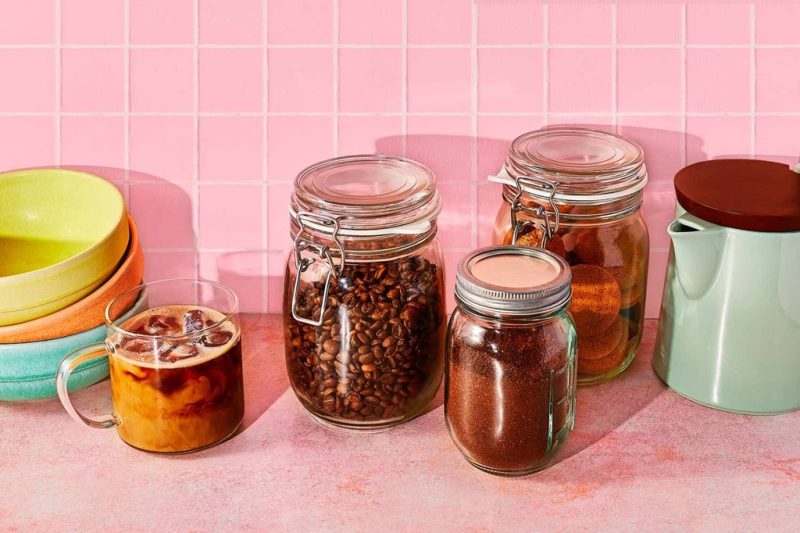
Myth 4: “Store Coffee in a Clear Glass Jar – It Looks Nice!”
Reality: False! While visually appealing, clear glass jars expose coffee to light, a significant enemy of freshness. UV rays degrade the coffee’s aromatic compounds, leading to “lightstruck” flavors and accelerated staling. Always opt for opaque containers.
Myth 5: “The Original Bag is Good Enough.”
Reality: Often False! While some high-quality roasters use excellent multi-layered bags with one-way valves, these valves are primarily for degassing freshly roasted coffee. Once opened, many of these bags are not truly airtight and do little to protect against sustained oxygen exposure. Always transfer coffee to a dedicated airtight container for optimal storage after opening.
Read More Also: How to Taste Wine Like a Sommelier
Beyond Storage: Additional Tips for Unrivaled Freshness
While proper storage is paramount, a few other habits can contribute to a superior coffee experience:
- Check the Roast Date: This is more important than an “expiration date.” Coffee is at its peak flavor within 1-4 weeks post-roast. Anything older than 6-8 weeks is likely past its prime. Always look for a specific roast date, not just a “best by” date.
- Clean Your Grinder Regularly: Old, oily coffee residue in your grinder can taint fresh beans. Give it a good clean periodically according to manufacturer instructions.
- Brew Immediately After Grinding: The moment you grind, the clock starts ticking rapidly on freshness. Brew within minutes for the best results.
- Consider Nitrogen-Flushed Packaging: Some premium coffee brands use nitrogen flushing in their packaging, which displaces oxygen, significantly extending shelf life. While you still need to store it correctly once opened, this offers a great head start.
Read More Also: Frozen Grape Concentrate Wine Recipe
The Payoff: A Consistently Delicious Cup
Mastering coffee storage isn’t about obsession; it’s about respect for the bean and the incredible journey it took from farm to cup. By understanding the enemies of freshness, implementing best practices, and debunking common myths, you empower yourself to consistently brew coffee that truly sings – rich in aroma, vibrant in flavor, and deeply satisfying.
Don’t let another precious bean go to waste due to improper storage. Invest in a good airtight, opaque container, commit to buying whole beans, and embrace the ritual of grinding fresh. Your taste buds, and your daily coffee ritual, will thank you for it.
Ready to transform your coffee experience? Explore high-quality airtight coffee canisters and precision burr grinders today to unlock the full potential of every bean!
